Bushfire Zones and Home Loans on the Northern Beaches: What Lenders Check
If you're looking at property in the western and bush-fringe suburbs of the Northern Beaches, you may have already noticed that some listings mention bushfire attack levels, ember protection requirements, or BAL ratings in their building reports. What you might not know yet is how lenders and their valuers look at these properties, and why that matters for what you can borrow.
The Northern Beaches has extensive bushland along its western edge. Suburbs like Duffys Forest, Terrey Hills, Ingleside, Oxford Falls, Belrose, Davidson, and parts of Frenchs Forest back onto Ku-ring-gai Chase and Garigal National Parks, and large sections of that land are mapped as Bush Fire Prone Land under the NSW Rural Fire Service. That mapping affects planning, building requirements, and insurance. Whether and how it affects lending is a different question, and one most buyers don't think to ask until the valuation comes back.
Our team helps buyers across the Northern Beaches navigate exactly this kind of complexity, comparing across 60+ lenders. The home loan structure you end up with often depends on which lender your broker approaches first.
Key takeaways
- No published lending rule bans borrowing on bushfire-prone land.
- Lender caution comes through the valuation, not a blanket policy.
- Insurance availability and cost can affect both approval and serviceability.
Do bushfire zones stop you getting a home loan on the Northern Beaches?
No published lender policy bans lending on bushfire-prone land outright. What changes is how cautiously the valuer and the lender approach the property, and that caution shows up in ways that aren't always obvious to the buyer.
The NSW RFS maintains a Bush Fire Prone Land map. Being on that map is a planning and building trigger, not a direct lending trigger. But lenders rely on independent valuations, and a valuer assessing a property in a high-risk bushfire area will factor in marketability, comparables, and insurance when forming their view. A conservative valuation, or a note about limited comparable sales, can change your LVR position even if the property appraised well two years ago.
How do lenders actually assess bushfire-prone properties?
The mechanism is the valuation, not a policy list. When a lender orders a valuation on a property mapped as Bush Fire Prone Land, the valuer considers whether the property is genuinely saleable to a broad market of buyers, whether comparable sales exist nearby, and whether the property can be insured at a cost that a buyer can reasonably carry.
Where those answers are uncertain, the valuation may come in conservatively. A conservative valuation doesn't mean the loan is declined. It means the lender's maximum loan is calculated against that lower figure, and the buyer covers any gap between the contract price and the valuation in cash. That's the shortfall risk most buyers in these areas don't anticipate.
We see buyers surprised by a shortfall not because the lender said no, but because the valuation came in below the purchase price. The property was on Bush Fire Prone Land, the comparable sales were thin, and the valuer was conservative. That gap falls on the buyer, and it's the conversation most people haven't had before exchange.
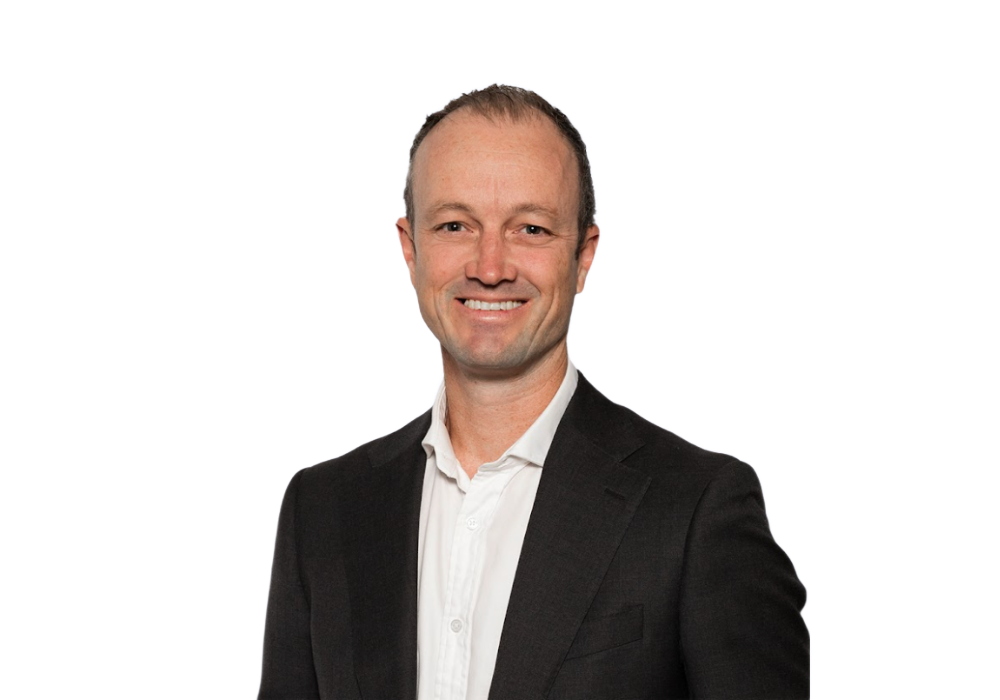
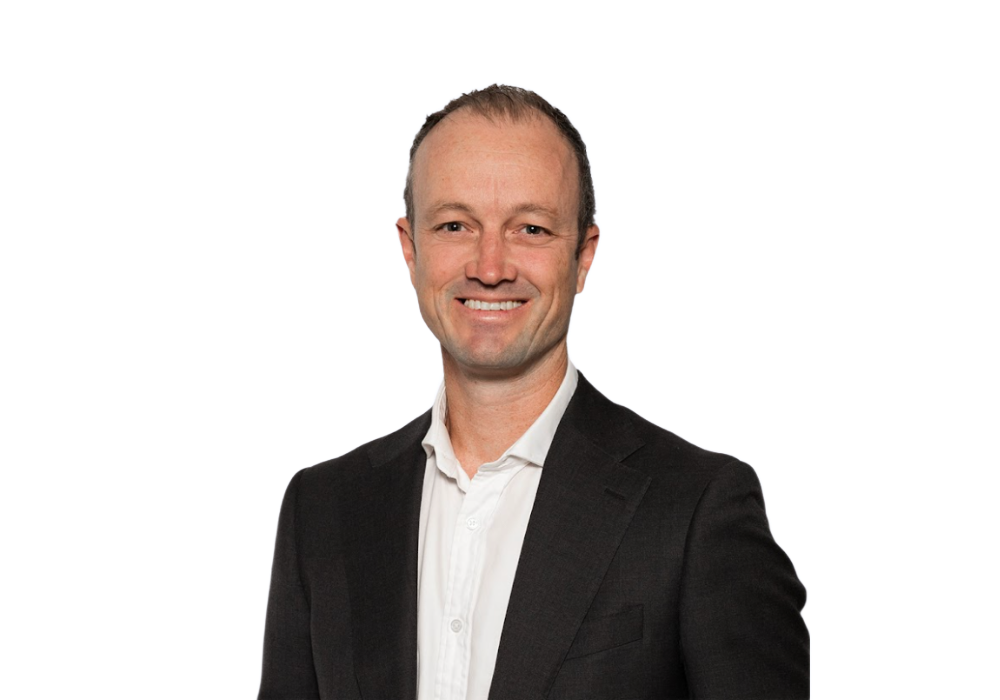
Damian Wallace · Director and Principal Broker, Mortgage Brokers Northern Beaches · Chat to Damian →
What do you need to qualify for a home loan on bushfire-prone land?
The eligibility criteria for the buyer are the same as any other purchase. What changes is the evidence the lender wants around the property itself and its insurability.
What lenders and valuers look at on these properties:
- › Building insurance confirmation: lenders require insurance as a condition of approval. On Bush Fire Prone Land, some insurers restrict cover or price it materially higher. A property that cannot be insured at standard conditions will not be funded.
- › BAL rating and construction standards: the Bushfire Attack Level assigned under AS 3959 determines the building standards required. A valuer will note the BAL rating, and a lender may ask whether the dwelling meets current construction standards for that rating.
- › Comparable sales in the area: thin sales volume makes valuation harder. Some bush-fringe suburbs on the Northern Beaches have fewer than 30 to 35 house sales per year, which limits a valuer's confidence in the figure they settle on.
- › Lender appetite for the area: some lenders restrict LVR in postcodes they classify as higher-risk. Others do not. This is where lender selection changes the outcome.
- › Standard borrower criteria: income, expenses, credit history, existing debts, and deposit remain the primary assessment, unchanged by the property's location on the RFS map.
What does it cost to buy on bushfire-prone land on the Northern Beaches?
The purchase costs most buyers budget for, such as transfer duty and conveyancing, are unchanged by the bushfire mapping. What can move is insurance. Building insurance premiums on Bush Fire Prone Land vary significantly by insurer, by the property's BAL rating, and by whether the structure meets current AS 3959 standards. Some buyers in these suburbs find that insurance adds materially to their annual holding cost compared with a standard coastal property.
There are no verified figures held for insurance premiums in this file, and quoting an estimate would be misleading. The Northern Beaches Council's bushfire-prone land mapping and the NSW RFS planning tools are the right starting point to understand the risk category. An insurance broker can then give you a current premium range for the specific property before exchange.
Transfer duty for first home buyers on these purchases follows the standard NSW rules. The full exemption threshold is $800,000 and the concession band runs to $1,000,000. Most bush-fringe Northern Beaches properties sit well above both, so most buyers here pay full transfer duty regardless of the bushfire classification.
Source: Revenue NSW.
| Get in touch Need help buying in a bushfire zone? We're a local team who understand how lenders actually assess your situation, not just your rate. We'll compare your options across 60+ lenders to find the right fit.
|
How long does buying on bushfire-prone land take on the Northern Beaches?
The contract and settlement process is the same as any other NSW purchase. Exchange of contracts, a five business-day cooling-off period for private treaty sales, and a typical settlement of around six weeks. The step that can add time is the valuation, particularly where comparable sales are limited and the valuer needs to do additional market research before releasing their figure.
Building and pest inspections on bush-fringe properties sometimes surface issues related to fire mitigation, such as vegetation clearance requirements or asset protection zones under the NSW RFS guidelines. If those items affect the structure or require works before settlement, factor that into your timeline. Organising a pre-exchange inspection before you commit is the right move, not a post-exchange one.
When does buying on bushfire-prone land not make sense?
Not every bush-fringe property on the Northern Beaches is a difficult lending proposition. A well-built property on a cleared block with good comparable sales nearby, a standard BAL rating, and readily available insurance is treated much like any other acreage-adjacent purchase. The caution applies most where several risk factors compound: very thin sale volumes, a high BAL rating, a structure that doesn't meet current standards, and an insurer market that is restricted for that postcode.
If insurance is genuinely difficult to obtain at reasonable cost, that's the clearest signal the purchase deserves more scrutiny. A property you can't insure normally, or that only one or two insurers will touch, is a harder asset to hold and a harder one to sell. That feeds back into the lender's valuation and into the borrower's serviceability, because the insurance premium is a holding cost the lender factors in. If those signals are there, it's worth having a direct conversation with a broker before you pay for pest and building inspections, not after.
Where I'd approach this differently from a standard purchase is the order of due diligence. On a bush-fringe property, I'd want the insurance picture settled before exchange, not after. A buyer who knows their premium and their insurer options has a much cleaner decision than one who finds out at settlement. That's the conversation worth having early.
Damian Wallace · Director and Principal Broker, Mortgage Brokers Northern Beaches · Chat to Damian →
How to buy on the Northern Beaches in a bushfire zone, step by step
Step 1: Talk to us
We work out whether the property you're looking at is likely to present valuation or lender-selection challenges before you commit to exchange.
Step 2: Confirm insurance and the property's fire risk status
We'll flag if you need to check the NSW RFS Bush Fire Prone Land map and get pre-exchange insurance quotes, so you know the holding cost and insurer availability before you're locked in.
Step 3: Match your application to the right lender
Lender appetite for bush-fringe properties varies. We identify which lenders on our panel are most likely to value and fund the specific property at an LVR that works for your deposit.
Step 4: Manage the valuation through to settlement
If the valuation comes back below the contract price, we work through your options before settlement day, whether that's a second valuation, a different lender, or a renegotiation conversation.
What goes wrong when people buy in bushfire zones on the Northern Beaches?
The common points where purchases run into trouble:
- › Valuation shortfall after exchange: the buyer discovers the lender's valuation is below the purchase price only after they've exchanged contracts. On a bush-fringe property with limited comparable sales, this risk is higher than on a well-serviced coastal suburb with 80-plus annual transactions.
- › Insurance sourced too late: buyers who arrange insurance after exchange sometimes find that the premium is materially higher than expected, or that only one insurer will quote at all. By then they're already committed. Get the insurance picture before you sign.
- › Applying to the wrong lender first: some lenders are more conservative on bush-fringe postcodes than others. A decline from the first lender sits on the credit file. Going to a broker before applying means the application goes to the lender most likely to fund it, not the most familiar name.
- › Assuming the BAL rating doesn't affect the loan: it doesn't affect eligibility directly, but it affects the valuer's assessment and can affect the insurer's willingness to quote. Both of those feed into what you can borrow and at what cost.
Frequently Asked Questions
Will a lender reject my application because the property is on Bush Fire Prone Land?
Not automatically. No major lender publishes a policy that bans lending on Bush Fire Prone Land. What changes is how the valuation is approached, and which lenders are more comfortable with the specific property and postcode.
Does a high BAL rating mean I can't get a loan?
No, but a high BAL rating does affect the valuer's view and the insurer's appetite. Both of those can reduce the amount a lender will fund, or change which lenders are suitable for that purchase.
Do I need special insurance for a property on the Northern Beaches with a BAL rating?
Standard building insurance is still required as a condition of the home loan. On a property with a BAL rating, some insurers restrict cover or price it higher, so it's worth getting quotes from multiple insurers before exchange, not after.
Can I use the First Home Guarantee to buy in a bushfire zone?
Yes, if the property meets the standard price cap of $1,500,000 for Greater Sydney and the usual First Home Guarantee eligibility criteria. The bushfire classification doesn't affect scheme eligibility, though lender selection still matters.
What is the NSW RFS Bush Fire Prone Land map and how do I check it?
It's a publicly available map maintained by the NSW Rural Fire Service that identifies land subject to bush fire risk under the Environmental Planning and Assessment Act. You check it through the NSW Planning Portal or your council's mapping tools before purchase.
Should I use a mortgage broker or go direct to my bank for a bush-fringe purchase?
A mortgage broker, every time. Lender appetite for bush-fringe properties on the Northern Beaches varies significantly, and a broker who knows which lenders are more comfortable with these properties can save you a decline on your credit file and a failed valuation.
Your Next Steps
Buying in a bushfire-prone area on the Northern Beaches isn't a barrier to borrowing, but it does reward preparation. Knowing the property's fire risk status, sorting insurance before exchange, and choosing a lender whose valuers are familiar with these suburbs makes the difference between a smooth settlement and a shortfall conversation on the day.
If a bush-fringe purchase is on your horizon, the next step is simple. Get in touch with the Mortgage Brokers Northern Beaches team or call 0403 316 686. We'll work through where you stand across our 60+ lender panel.
|

External Resources
Mortgage Brokers Northern Beaches, Dee Why and the Northern Beaches. This is general information only - this article does not constitute financial advice. Please consider your own circumstances and seek professional advice before making any financial decisions.