Commercial Property Loans on the Northern Beaches: What Lenders Actually Check
Buying the premises your business operates from changes the dynamic completely. You stop paying someone else's mortgage, your occupancy cost becomes predictable, and the property can build equity alongside your business. For investors, a commercial asset adds a different income profile to a residential portfolio, one with longer leases and a tenant responsible for most outgoings.
Commercial property finance is its own lending category, assessed differently from a home loan in almost every respect. The deposit is larger, the documentation is more specific, and the lender's decision rests as much on the property's income as it does on yours. Understanding how that assessment works before you approach a lender changes both the outcome and the timeline.
Our team works with business owners and property investors across the Northern Beaches on commercial property loans, comparing across 60+ lenders to match the right facility to the right asset.
Key takeaways
- Commercial deposits typically run 25–35%, higher than residential lending.
- Lenders assess both the property's income and the business's cash flow.
- Owner-occupiers carry the strongest lending profile in this category.
Can a business owner get a commercial property loan on the Northern Beaches?
Yes, business owners on the Northern Beaches can borrow to purchase commercial property, whether that's office space in the Frenchs Forest health precinct, a warehouse or workshop in the Brookvale commercial precinct, or a retail tenancy anywhere along the coast. The loan is assessed differently from a residential purchase, but it is very much available, and owner-occupiers often attract the most competitive terms because the lender's risk is lower when the borrower is also the tenant.
How does a commercial property loan actually work?
A commercial loan is secured against the property being purchased, just like a home loan, but the assessment framework is built around two income sources rather than one. The lender looks at the property's ability to generate rent and at the business's capacity to service the debt. Both matter, and either can be the deciding factor depending on the asset and the borrower's profile.
The loan-to-value ratio is materially lower than residential lending. Standard commercial property - office, retail and industrial - is typically lent at 65% to 75% LVR, meaning a deposit of 25% to 35% is required. Some specialist lenders will go to 80% for a strong owner-occupier, but that is the exception rather than the standard. Rural, regional or specialist-use assets attract tighter ratios again, commonly 55% to 65%.
Loan terms are shorter than residential. Annual covenant reviews are common on larger facilities, where the lender reassesses the asset's value and the business's financial position at intervals through the loan. This is different from a home loan, which is essentially set and forget until you choose to change it.
What we see most often is borrowers applying to their existing bank first, getting a term sheet back, and only then realising that other lenders were prepared to go higher on LVR or offer a significantly better structure. Commercial lending has a wider spread of policy between lenders than residential does, which is exactly why the lender choice matters more here, not less.
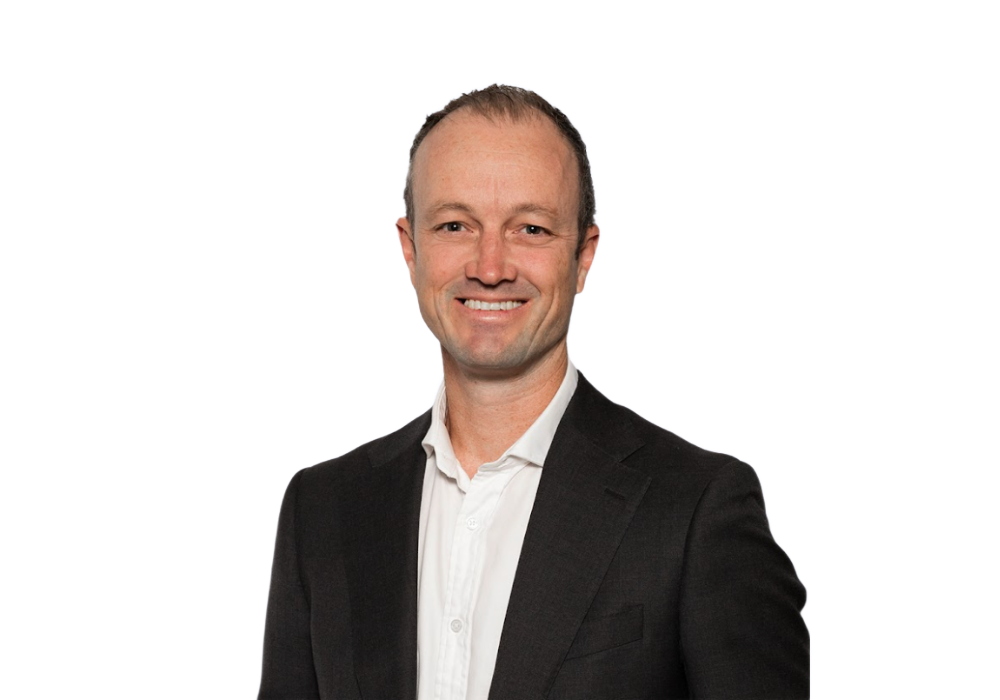
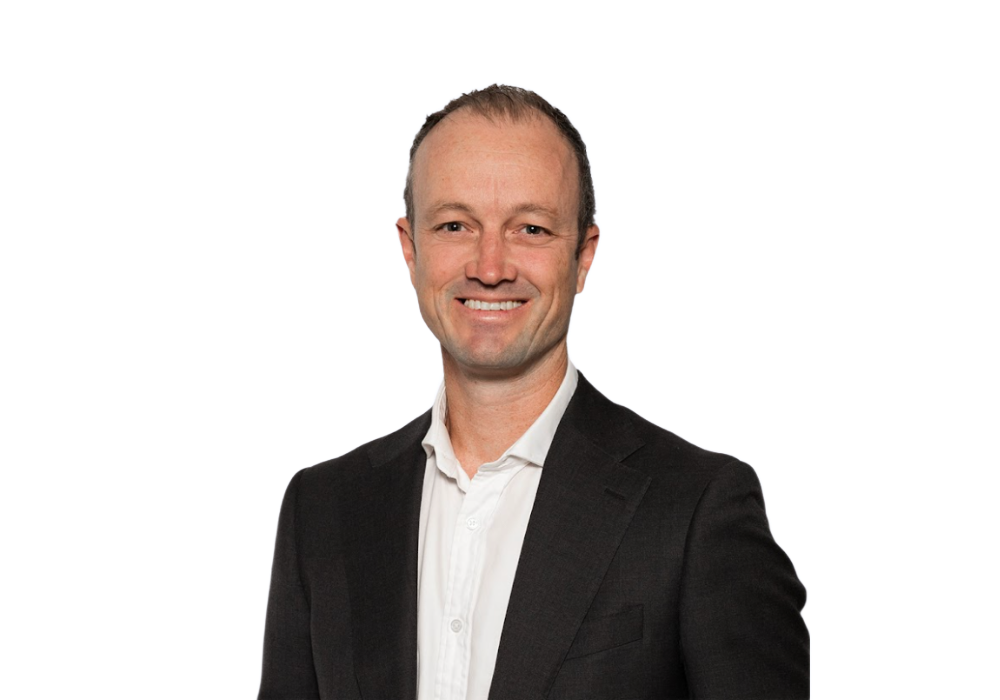
Damian Wallace · Director and Principal Broker, Mortgage Brokers Northern Beaches · Chat to Damian →
What do lenders check when assessing a commercial loan?
Commercial lending is assessed on the property and the borrower simultaneously. Lenders look at both before making a decision, and a strong position on one can support a weaker position on the other - up to a point.
On the property side, lenders check:
- › Asset class: office, retail and industrial are mainstream; specialist-use assets like childcare centres, fuel stations or medical suites narrow the lender pool and typically attract tighter LVRs.
- › Lease quality: existing tenants, their covenant strength and the weighted average lease expiry (WALE) all affect the lender's view of the income stream.
- › Valuation: lenders commission their own valuation, which may come in below the purchase price - the borrower covers the gap.
- › Zoning and title: commercial or mixed-use zoning is required; strata title commercial is assessed differently from freehold in some lender policies.
On the borrower side, lenders check:
- › Business financials: two years of business tax returns and financial statements are standard; the lender is looking at profit, cash flow and existing debt obligations.
- › Debt-service coverage: the ratio of net operating income to total debt repayments. Lenders want to see the property and business generating enough income to comfortably cover the loan repayments.
- › Personal assets and guarantees: directors of the borrowing entity commonly provide personal guarantees; some lenders also take a charge over other assets.
- › Borrowing structure: whether the purchase is in the business name, a company, a trust or an SMSF changes which lenders will look at it and on what terms.
What does it cost to buy commercial property on the Northern Beaches?
The deposit is the biggest upfront variable, and it runs significantly higher than residential. At a standard 75% LVR, a $2,000,000 commercial asset requires a $500,000 deposit before acquisition costs. At 65% LVR, that rises to $700,000. The Northern Beaches commercial market - particularly the Frenchs Forest precinct, Brookvale industrial and Mona Vale town centre - has seen strong demand from owner-occupiers, which has kept values firm.
Beyond the deposit, acquisition costs typically include stamp duty on the commercial purchase (calculated at the standard NSW rate for the purchase price, with no first-home concession available), lender establishment fees, a commercial valuation, solicitor costs and building and pest inspections. No dollar figures are held for these - costs vary by asset, solicitor and lender - and a solicitor's estimate before exchange is the right move.
The options worth comparing on structure:
- › Owner-occupier purchase: 20–25% deposit at some lenders · assessed on business cash flow · strongest approval profile · building equity while you trade
- › Investment purchase (tenanted): 25–35% deposit standard · assessed on lease income + borrower serviceability · WALE and tenant covenant are key · annual reviews common
- › SMSF purchase (commercial / business real property): 30–40% deposit typically · sole purpose test applies · related-party leasing is permitted at market rent · specialist lenders only
For most owner-occupiers, the comparison that matters is the deposit tied up in property versus what that same capital does inside the business. It is a real trade-off, not a formality, and where the business is capital-intensive or early-stage, deploying the deposit elsewhere may produce a stronger return than ownership.
Source: APRA.| Get in touch Need help with a commercial property loan? We're a local team who understand how lenders actually assess your situation, not just your rate. We'll compare your options across 60+ lenders to find the right fit.
|
How long does it take to get a commercial loan approved?
Commercial approvals take longer than residential, and planning for that timeline is part of managing the purchase. A straightforward owner-occupier purchase with clean financials typically takes four to eight weeks from application to formal approval. More complex structures - trusts, SMSFs, multiple tenancies or unusual asset classes - can run longer.
The main delays come from three places: the commercial valuation (which can take two to three weeks on its own, especially for specialist-use properties), incomplete financial documentation, and lender credit appetite for the specific asset type. Getting the documentation ready before the application goes in removes the most controllable delay.
When does buying commercial property not make sense?
Owner-occupation is a genuinely strong position, but it is not always the right move. A deposit of 25% or more tied up in bricks and mortar is capital that is not working inside the business. For a business in an early growth phase, or one where cash flow is the limiting factor on expansion, that capital may produce a stronger return staying liquid.
The lease-versus-own comparison also shifts with the lease terms available. If a landlord is offering a long lease with a favourable rent review structure, the flexibility of tenancy can outweigh the equity upside of ownership, particularly where the business may need to scale premises in three to five years. Buying the wrong-sized premises and being locked in is a real outcome. Where the business is genuinely stable, the premises suit it for the foreseeable future, and the deposit is available without straining the balance sheet, ownership is usually the right call. Where any of those conditions is uncertain, it is worth modelling both paths.
How to get a commercial property loan on the Northern Beaches, step by step
The process differs from residential, but it follows a clear sequence once you know what the lender needs.
Step 1: Talk to us
We start by understanding the asset, your business structure and your balance sheet, so we can identify which lenders are actually worth approaching for this type of purchase.
Step 2: Prepare your financial documentation
We work through what the lender will need - two years of business financials, personal tax returns, existing lease documents or a business plan for owner-occupiers - and flag any gaps before the application goes in.
Step 3: Match to lenders and submit
We present the application to lenders whose credit policy fits the asset, the structure and your financial profile, then manage the lender's questions through the assessment.
Step 4: Valuation, approval and settlement
Once the lender orders the commercial valuation and formal approval issues, we work with your solicitor through to settlement, including any conditions attached to the approval.
When a business owner is weighing up buying versus continuing to lease, we'd usually work through the numbers on both before making any recommendation. The deposit required and the impact on working capital can look very different once you've stress-tested the business's cash position. Sometimes the answer is clear quickly; sometimes it takes a conversation to see which path actually fits where the business is headed.
Damian Wallace · Director and Principal Broker, Mortgage Brokers Northern Beaches · Chat to Damian →
What goes wrong when people apply for commercial loans?
Where applications run into trouble:
- › Wrong lender for the asset: a lender comfortable with standard office or retail may decline a specialist-use property outright; approaching the right lender for the asset class matters more than the rate.
- › Valuation shortfall: the lender's commercial valuation comes in below the purchase price, and the borrower is required to cover the gap in cash at settlement, which can strain a deal that was already tight on deposit.
- › Incomplete business financials: one year of returns where two are required, or management accounts that don't reconcile to the tax return, stalls the application while the lender requests more documentation.
- › Structure mismatch: buying in a trust or SMSF structure narrows the lender pool significantly; discovering this after exchange puts the deal at risk. Confirming lender appetite for the structure before exchange is the right order of operations.
Frequently Asked Questions
Can I buy commercial property through my SMSF on the Northern Beaches?
Yes, SMSF lending for business real property remains available, and a related party - your own business - can lease the premises at market rent. Specialist lenders handle SMSF commercial loans; the major banks largely exited this market.
Is an owner-occupier or investment purchase easier to get approved?
Owner-occupier purchases generally attract the strongest approval profile and the widest lender choice, because the borrower's own business de-risks the income stream for the lender.
How much deposit do I need for a commercial property loan?
The standard range is 25% to 35% of the purchase price, depending on the lender and the asset. Some specialist lenders will go to 80% LVR for strong owner-occupiers, but that requires a specific lender match.
Do commercial loan rates differ from home loan rates?
Yes, commercial rates are priced higher than residential and the gap varies by lender, asset class and loan size. Comparing across lenders makes a meaningful difference here because the spread between the best and worst commercial terms is wider than in residential lending.
Should I use a mortgage broker or go straight to my bank for a commercial loan?
A mortgage broker, every time. Commercial lending policy differs significantly between lenders on asset class, structure, LVR and documentation requirements, and a broker who works across that panel finds the fit your own bank cannot.
What documents does a lender need for a commercial purchase?
Typically two years of business tax returns and financial statements, personal tax returns for all directors, the proposed lease or a business plan for owner-occupiers, and details of any existing business debt.
Your Next Steps
Commercial property finance rewards preparation. The borrower who arrives with clean financials, a clear structure and a realistic view of the deposit required moves through the process faster and attracts better terms. The borrower who approaches one lender cold, without knowing whether that lender suits the asset class, often loses weeks - and sometimes loses the deal.
The right lender for a commercial purchase depends on your situation, and that's a conversation worth having. Talk to the Mortgage Brokers Northern Beaches team or call 0403 316 686, and we'll compare your options across 60+ lenders.
|

External Resources
Mortgage Brokers Northern Beaches, Dee Why and the Northern Beaches. This is general information only - this article does not constitute financial advice. Please consider your own circumstances and seek professional advice before making any financial decisions.