Allied Health Home Loans on the Northern Beaches: Borrow to 90% With No LMI
Allied health on the Northern Beaches covers a wide range of professions, and lenders do not treat them all the same way. Whether you're a physiotherapist running your own clinic, a pharmacist on salary at a local pharmacy, a psychologist splitting time between private and public work, or a speech pathologist doing agency contracts, the lender's policy on your specific occupation is what decides how much you can borrow and what you put down.
Some lenders waive LMI entirely for allied health professionals up to 90% LVR, which on a property priced around $1,000,000 is a saving in the range of $20,000 to $40,000. Whether that waiver applies to you depends on two things: whether your specific occupation is on that lender's approved list, and whether your income sits above the published threshold. Both of these differ between lenders, which is exactly why the lender choice matters more than the rate.
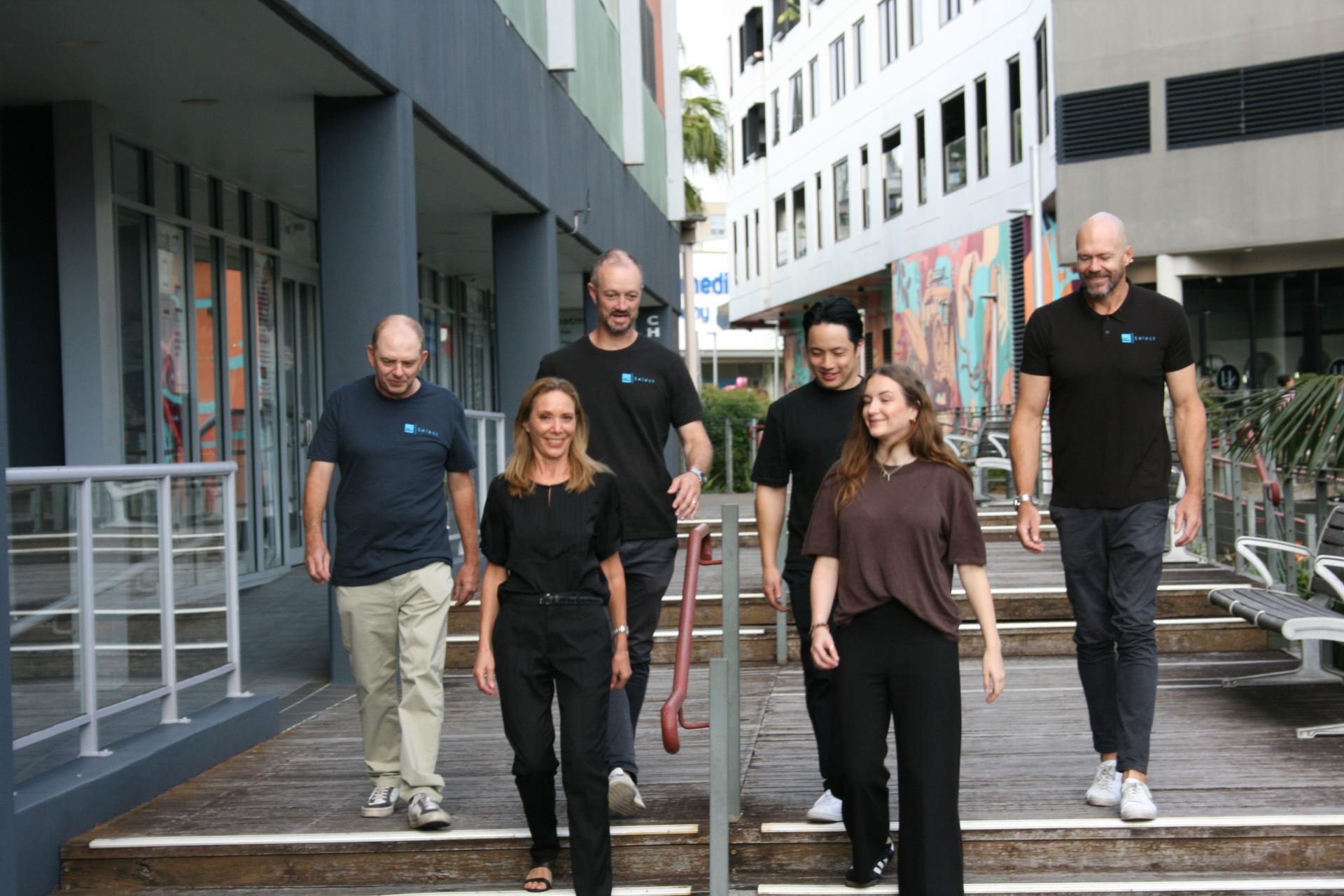
Our team works with allied health professionals across the Northern Beaches, from physiotherapists near Northern Beaches Hospital in Frenchs Forest to pharmacists and optometrists in the beachside suburbs. The healthcare worker home loan side of the assessment is where most of the difference is found, and comparing across the panel is what surfaces it.
Key takeaways
- Some lenders waive LMI for allied health professionals up to 90% LVR.
- An income threshold around $90,000 usually applies to access the waiver.
- No houses in the approved suburbs sit under the $1,500,000 First Home Guarantee cap.
Can allied health professionals get a home loan with a smaller deposit on the Northern Beaches?
Yes, and the mechanism is a professional LMI waiver rather than a government scheme. At lenders that publish a policy covering your occupation, you can borrow up to 90% LVR without paying lenders mortgage insurance, provided your income sits above the threshold, commonly around $90,000 gross per year. On a $1,000,000 purchase with a 10% deposit, that saves somewhere in the range of $20,000 to $40,000 in LMI premiums that would otherwise be added to your loan.
The waiver is lender credit policy, not legislation, so it is not available at every lender. The occupation list varies, the income threshold varies, and whether multiple part-time roles are combined or assessed separately varies too. A broker who can see which lenders include your specific occupation, and which assess your income type most favourably, is doing the work the waiver requires.
How do lenders assess allied health income?
The income assessment for allied health professionals is where the differences between lenders become most visible. Most allied health practitioners earn through a combination of sources: a base salary from a hospital or clinic, a private or sessional income stream, and in some cases agency or locum shifts. Lenders treat each of these components differently.
Salaried income from a hospital or large employer
Where you're employed permanently by a major health employer, most lenders accept your base salary at full value from two recent payslips. Overtime and shift loadings are treated separately, typically averaged over a period rather than taken at your best month. Some lenders accept shift allowances in full once the history is consistent; others shade them by around 20%.
Private practice and sessional income
Private income is assessed more like self-employed income at most lenders. Two years of tax returns is the standard requirement, and lenders look at the average rather than the most recent year. Where your private income has grown sharply in the past twelve months, some lenders can apply an accountant's declaration rather than waiting for a second full tax return. Not all will, and the lenders that do tend to be the ones with a specific allied health policy in place.
Agency and contract work
Agency shifts require a consistent history before most lenders will count the income at all. If you've been working through an agency for less than twelve months, that income stream is often excluded from the assessment entirely. Once the history is there, it's treated like casual income: averaged over the period, not taken at the most recent rate.
The most common situation we see is an allied health professional who works part-time at two clinics, assumes both roles will be combined, and then discovers that one lender counts only the primary employer while another adds them together. That single policy difference can move the borrowing number by $80,000 or more, and it's not something you'd find by comparing rates on a comparison site.
Damian Wallace · Director and Principal Broker, Mortgage Brokers Northern Beaches · Chat to Damian →
What eligibility criteria apply to allied health professionals?
The lender's waiver criteria and the standard mortgage eligibility criteria both apply. Here is what you'll typically need to demonstrate:
- › Professional registration: current registration with AHPRA in your relevant discipline, in good standing. This is the primary credential the lender's policy is built around.
- › Occupation on the approved list: your specific occupation must appear on that lender's published allied health list. Physiotherapists, pharmacists, optometrists, psychologists, chiropractors, occupational therapists and speech pathologists are commonly included. Not every lender covers all of them.
- › Income threshold: gross income typically around $90,000 per year. Lenders that publish this threshold require it to be met from your primary verified income, not a combined total across casual roles.
- › Employment or income evidence: two recent payslips for salaried roles; two years of tax returns for private or self-employed income; agency agreements and payslips where those shifts are being counted.
- › Credit history: standard serviceability and credit file requirements apply. The waiver covers LMI; it does not affect how lenders assess credit file health or existing commitments.
- › Multiple employers: if you work part-time across two clinics or employers, confirm with your broker whether the lender you're approaching combines those incomes or assesses only the primary role. This is the single most consequential policy difference for allied health applicants.
How much can allied health professionals borrow on the Northern Beaches?
Borrowing capacity follows the standard serviceability mechanics, with the APRA buffer of 3.0% added to the actual rate to set the assessment rate. For most allied health professionals on the Northern Beaches, the income profile is the primary driver of capacity, and the lender's policy on how that income is counted is what moves the number.
CoreLogic data shows that Northern Beaches house medians begin around $2,130,000 in North Narrabeen and climb to well above $3,000,000 in the established mid-peninsula and waterfront suburbs. The unit market is where first-home buyers and lower-deposit purchasers have realistic entry points: Dee Why units sit around $960,000, Manly Vale around $1,067,000, and Narrabeen around $1,230,000. All of those fall under the $1,500,000 First Home Guarantee cap, where that scheme applies.
The APRA debt-to-income cap, which limits ADIs from writing more than 20% of new lending at a DTI of 6x gross income or higher, is more likely to bind for higher earners approaching large loan sizes. Non-bank lenders are not subject to it, which is one reason lender choice shapes capacity for allied health professionals differently than it does for a straightforward salaried borrower.
Source: CoreLogic (via YIP, mid-2026) and APRA.
| Get in touch Need help with a home loan as an allied health professional? We're a local team who understand how lenders actually assess your situation, not just your rate. We'll compare your options across 60+ lenders to find the right fit.
|
What government schemes can allied health professionals use?
Allied health professionals are not excluded from government schemes, though most of the Northern Beaches market sits above the caps where those schemes apply to houses. Scheme eligibility runs on income and property price, not on your profession.
The schemes worth knowing about:
- › First Home Guarantee: 5% deposit, no LMI, no income test. The Northern Beaches cap is $1,500,000. No house median in the approved suburb list sits under that cap, so the eligible stock is entirely units.
- › Help to Buy: federal shared equity, government takes up to 30% on an existing home. Income cap $100,000 single or $160,000 joint (indexed 1 July). The Sydney price cap is $1,300,000, which is lower than the First Home Guarantee cap.
- › NSW First Home Owner Grant:$10,000 for new homes only, property value up to $750,000. Given Northern Beaches price levels, very few purchases will qualify.
- › Transfer duty concession (FHBAS): full exemption under $800,000, concession band $800,001 to $1,000,000. Only Dee Why units at around $960,000 fall in the concession band; almost everything else in the approved list is above $1,000,000 and attracts full transfer duty.
- › NSW shared equity: the state scheme (Home Buyer Helper) closed to new applicants on 30 June 2024 and is no longer available. Help to Buy is the live shared-equity pathway.
The professional LMI waiver and the First Home Guarantee cannot be combined: a first home buyer using the scheme must meet the scheme's own LVR and lender requirements. For allied health professionals with a 10% deposit and income above the threshold, the waiver is often the stronger pathway. For those with only 5%, the scheme fills the gap.
Source: Housing Australia and Revenue NSW.
How do mortgage brokers improve outcomes for allied health professionals?
The lender choice decides the outcome for allied health professionals more than for almost any other borrower type. Three policy differences move the number, and they're not published side by side anywhere.
- › Occupation list: some lenders name specific occupations and exclude others; a chiropractor on one lender's list may not appear on another's. Applying to the wrong lender first puts a declined application on your credit file.
- › Multiple employers: whether part-time roles at two clinics are combined or only the primary employer counts is a policy decision that varies significantly between lenders, and it changes borrowing capacity materially for practitioners who split their time.
- › Public versus private income treatment: hospital employment usually requires payslips only; private clinic income is typically assessed over two years like self-employed income. A lender with a flexible policy on mixed income structures is worth more to a practitioner with both than a marginally lower rate.
Comparing across the panel before applying means the first application goes to the lender with the right policy, not the one with the most-advertised rate.
When does the LMI waiver not make sense for allied health professionals?
The waiver reduces upfront cost but does not change your borrowing capacity on its own. If your income sits below the threshold, the waiver is simply not available and the relevant question is whether a 5% deposit via the First Home Guarantee, or a larger deposit saved over another year, gives you a better position at the lender.
Where your private income has only recently increased, pushing an application on that new income before a full reporting period has passed typically results in the lender using the lower two-year average anyway. In that case, waiting the extra period delivers a cleaner assessment and usually a better approval, and the LMI saving from the waiver becomes accessible at the same time.
If your occupation is not on the lender's list, applying to that lender on the basis of the waiver and being declined leaves an enquiry on your credit file. The right call is to confirm your occupation's eligibility before lodging, which is what the conversation before application is for.
Where someone's private practice income has jumped significantly in the last year, we'd generally recommend waiting for the next return rather than submitting now. The waiver is still there in twelve months, and the assessed income is often $30,000 to $50,000 higher once the full year is counted. That's a meaningful difference in what you can borrow, and it costs nothing to wait if you're not under contract.
Damian Wallace · Director and Principal Broker, Mortgage Brokers Northern Beaches · Chat to Damian →
What approval challenges do allied health professionals face?
The pathway is stronger than most allied health practitioners realise, but there are specific hurdles that come up more often for this group than for straightforward salaried borrowers.
- › Occupation not listed: the waiver only applies where your occupation is specifically named on the lender's policy. Speech pathologists and occupational therapists are listed by some lenders and omitted by others. Confirming eligibility before applying avoids a wasted credit enquiry.
- › Income threshold not met at a single employer: practitioners who split time across two part-time roles may each earn under $90,000 separately. Where the lender does not combine them, the threshold is not reached and the waiver does not apply, even if total income is well above it.
- › Short private practice history: a practitioner who has recently moved from public health into private or mixed work may have only one year of private income, which is insufficient at many lenders for the private portion of the assessment.
- › HECS debt reducing capacity: allied health graduates commonly carry HECS balances well into their career. The compulsory repayment is assessed as an ongoing commitment by lenders, reducing borrowing capacity. This is separate from the waiver question and affects the serviceability calculation regardless of which lender is used.
- › APRA DTI cap at larger loan sizes: for allied health professionals borrowing at higher multiples of income, the cap on high-DTI lending at ADIs can bind before the income threshold becomes the limiting factor. Non-bank lenders are not subject to it, and lender type is worth considering early in the process rather than after a bank has said no.
Frequently Asked Questions
Which allied health occupations qualify for the LMI waiver?
Physiotherapists, pharmacists, optometrists, psychologists, chiropractors, occupational therapists and speech pathologists are commonly included at lenders that publish an allied health waiver policy. The occupation must appear on that specific lender's list, which varies, so confirming eligibility before applying is the critical first step.
Do I need to earn $90,000 to access the waiver?
Yes, most lenders that publish an allied health LMI waiver require gross income around $90,000 per year. This threshold applies to your verified primary income, not a combined total across casual or part-time roles at different employers.
Can I combine the LMI waiver with the First Home Guarantee?
No, they are separate pathways and cannot be used together. The waiver suits buyers with a 10% deposit and income above the threshold; the First Home Guarantee suits buyers with a 5% deposit who meet the scheme's own lender and property requirements.
Is the LMI waiver available to a physiotherapist working part-time across two clinics?
It depends on the lender. Some lenders combine the two part-time incomes and assess them against the threshold together; others count only the primary employer. Getting the policy confirmed before applying is what stops a declined application landing on your credit file.
Does HECS debt affect my borrowing capacity as an allied health professional?
Yes, the compulsory HECS repayment is treated as an ongoing commitment by lenders and reduces your assessed borrowing capacity. The repayment scales with income, so higher earners feel the impact more. Paying out a small remaining balance before applying can help; for a large balance the cash is usually better kept for the deposit.
Should I use a mortgage broker or go directly to a lender for an allied health waiver?
A mortgage broker, every time. The waiver depends on your specific occupation appearing on a specific lender's policy, and those lists differ across the panel. A broker confirms eligibility and matches you to the right lender before any application is lodged, which protects your credit file and means you're not comparing rates on products that may not even apply to you.
Your Next Steps
The LMI waiver for allied health professionals is a real and material advantage, but it only reaches you through the right lender. Your occupation, your income structure and the number of employers you work across all shape which lenders are worth approaching, and that determination is worth making before any application goes in.
Ready to find out which lenders will work best for your allied health home loan? Contact the Mortgage Brokers Northern Beaches team or call 0403 316 686. We'll canvas our 60+ lender panel and find the most suitable options for your circumstances.
|

External Resources
Mortgage Brokers Northern Beaches, Dee Why and the Northern Beaches. This is general information only - this article does not constitute financial advice. Please consider your own circumstances and seek professional advice before making any financial decisions.