Rural Property Home Loans on the Northern Beaches: What Lenders Check
Most of the Northern Beaches is established suburban, but pockets of the western fringe tell a different story. Suburbs like Terrey Hills, Duffys Forest, Oxford Falls and Ingleside back onto Ku-ring-gai Chase and Garigal National Parks, and the large residential blocks there attract buyers who want space, privacy and a genuine lifestyle change without leaving the Northern Beaches entirely.
If you're looking at one of those properties, the lending works differently to a standard suburban purchase. Zoning, block size, services and the property's intended use all shape how a lender reads the application - and the difference between a lender who understands rural-residential and one who doesn't can be a 15% to 20% gap in how much you're allowed to borrow.
Our team helps buyers across the Northern Beaches navigate the home loan side of rural and acreage purchases, comparing across 60+ lenders to match the property type to the lender best placed to assess it.
Key takeaways
- Zoning decides more than size - rural-zoned land is assessed as commercial.
- Acreage under roughly 10 ha on residential zoning can reach up to 80% LVR.
- LMI is rarely available above 25 ha - a larger deposit is usually required.
Can you get a standard home loan for a rural or acreage property on the Northern Beaches?
Yes - but whether you get a standard residential loan or something more restrictive depends almost entirely on how the property is zoned, not just how big it is. A rural-residential block on the Northern Beaches fringe under roughly 10 hectares, connected to power and water, zoned residential and not operating as a working farm, is treated by most lenders much like a conventional property. You can reach up to around 80% LVR. Go past roughly 10 hectares, or onto rural zoning, and the LVR steps down and the lender panel shrinks.
How do lenders actually assess rural and acreage properties on the Northern Beaches?
The starting point is always zoning, not the size of the block. A 15 hectare property on a residential or rural-residential zoning reads very differently to a 5 hectare block on RU1 or RU2 agricultural zoning - even if the house and land look identical from the road. Lenders are lending against what the land could become, not just what it is now, and a rural zone means the security could shift into agricultural use.
After zoning, lenders look at services. Legal road access, power connected to the boundary and water supply (whether mains, tank or bore) are the three things that drive the valuation. A property without legal road access or without power to the boundary is likely to come in below the contract price on a bank valuation, and the buyer covers that gap in cash at settlement.
Block size then determines the LVR ceiling. As a general guide, lifestyle acreage under roughly 10 hectares on residential zoning can reach around 80% LVR with mainstream lenders. From around 10 to 40 hectares, the LVR typically steps down - a 40-hectare block commonly lands at around 60% LVR. Above roughly 25 hectares, LMI is rarely available, which means you'll need a larger deposit from the outset. Rural-zoned land, regardless of size, is assessed closer to commercial lending: LVRs typically fall to 60%–70% and lenders want evidence of the property's intended use.
We regularly see buyers surprised when a lender comes back with a lower LVR than they expected. In almost every case, the issue isn't the borrower's income or credit - it's that the lender's valuer has flagged the zoning or the block size as outside their standard residential appetite, and nobody checked that before the application went in.
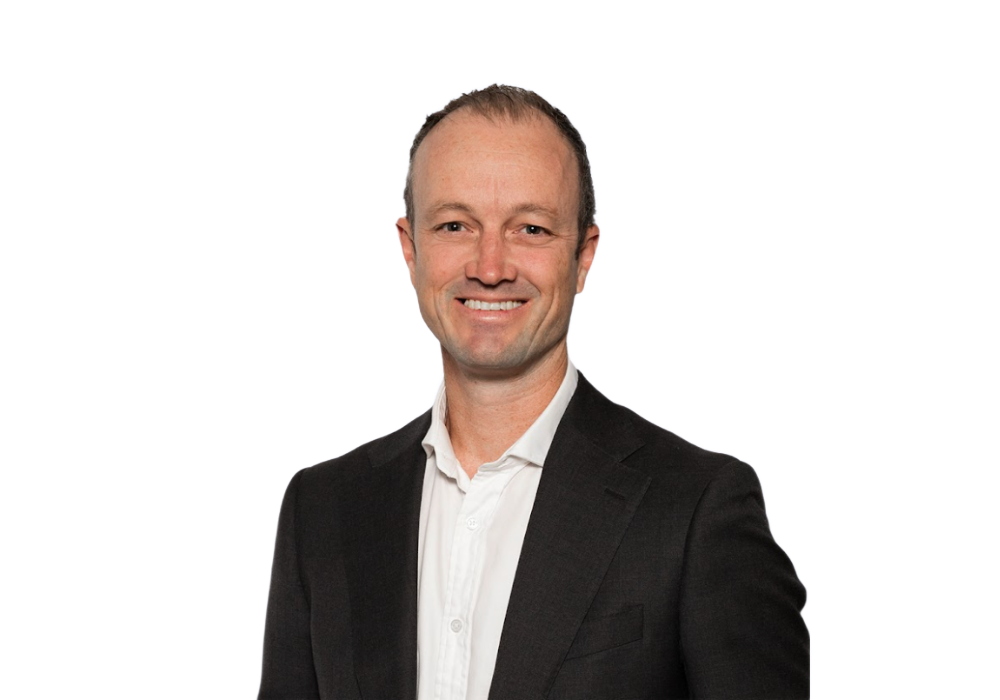
Damian Wallace · Director and Principal Broker, Mortgage Brokers Northern Beaches · Chat to Damian →
What do you need to qualify for a rural or acreage home loan?
Your own income and credit position are assessed the same way as any residential loan - serviceability, deposit, credit history and existing commitments all follow the standard framework. What changes is the property evidence the lender needs alongside those personal documents.
What lenders typically want to confirm on the property:
- › Zoning confirmation: the current zone from Northern Beaches Council, confirming whether the land is residential, rural-residential or agricultural.
- › Legal road access: a sealed or maintained road providing legal access to the boundary - no access, no standard valuation.
- › Services connected: power to the boundary at minimum; water supply (mains, tank or bore) and the condition of any on-site wastewater system.
- › Intended use: whether you're buying as a residence only, or whether there's any commercial or agricultural activity planned - lenders treat a working farm very differently to a lifestyle block.
- › Comparable sales: the valuer will look for recent sales of similar-sized rural-residential properties nearby - thin comparable sales are common in the Northern Beaches fringe suburbs and can result in a conservative valuation.
What will a rural property purchase cost you on the Northern Beaches?
The deposit requirement is the most significant difference from a standard suburban purchase. On a residential-zoned lifestyle block under 10 hectares, lenders can go to around 80% LVR - meaning a 20% deposit. On larger blocks or rural-zoned land, the required deposit rises with the LVR restriction: a 60% LVR requires a 40% deposit, which on a $2,000,000 rural-residential property means $800,000 in equity or savings before you apply.
LMI is also less available on rural and acreage properties. Above roughly 25 hectares most lenders won't offer it at all, so there's no route to borrowing above the LVR ceiling by paying an insurance premium. That makes the deposit figure the hard constraint rather than a number you can work around.
Stamp duty and conveyancing costs follow standard NSW calculations - the purchase process is the same as any residential sale, including the 5 business day cooling-off period for private treaty contracts and the standard deposit of around 10% at exchange. A rural purchase is not exempt from transfer duty, and if the property value exceeds the $1,000,000 duty concession ceiling for first home buyers, full transfer duty applies. Buyers in the Northern Beaches fringe should budget for building, pest and septic inspection costs specific to rural properties - a licensed inspector assesses the wastewater system separately, and the cost varies. No dollar figure for these is held in our data; get quotes from inspectors directly before exchange.
Whether you're looking at properties in Terrey Hills, Davidson or Belrose on the Northern Beaches, the deposit position and the lender's appetite for the specific block size and zoning are what decide the outcome - not just your borrowing capacity in isolation.
| Get in touch Need help with a rural property home loan? We're a local team who understand how lenders actually assess your situation, not just your rate. We'll compare your options across 60+ lenders to find the right fit.
|
When does buying rural or acreage property not make sense on the Northern Beaches?
A large rural-residential block can look like excellent value per square metre compared to a suburban property - and sometimes it is. But the lending constraints can work against you in ways that aren't obvious until you're already under contract.
If your deposit is sitting at 20% of the purchase price and the lender's valuer treats the block as large-acreage rather than rural-residential, the LVR ceiling may drop to 60% and your deposit is suddenly short by a material amount. That gap has to be covered in cash or the purchase falls over. For buyers who are stretching to their limit on a suburban purchase, a rural or acreage property at the same price point carries a meaningfully higher deposit risk.
The resale pool is also narrower on large rural blocks. Fewer buyers means the property can sit longer, and a thin comparable-sales record in suburbs like Duffys Forest or Oxford Falls makes it harder for a valuer to support the contract price - which circles back to the valuation shortfall risk above. If your plans involve refinancing against the property's equity within a few years, a conservative valuation history can slow that down. For most buyers in this situation, we'd suggest confirming the lender's likely LVR ceiling before committing to a contract, not after.
How do mortgage brokers help buyers get rural property approved on the Northern Beaches?
The lender choice matters more on a rural or acreage purchase than almost any other property type. Three policy differences move the outcome, and they're not published side by side anywhere.
- › LVR ceiling by block size: some lenders draw their rural-residential ceiling at 10 hectares, others at 15 or 20 - so the same property can clear one lender's threshold and breach another's before the application is even assessed.
- › Zoning appetite: a small number of lenders are comfortable with rural-residential zoning in peri-urban areas like the Northern Beaches fringe; others apply agricultural lending criteria the moment any rural zone appears on the title.
- › Valuation approach: lenders use different valuation firms, and the comparable-sales methodology varies - some valuers are more familiar with the Northern Beaches western fringe and will support a contract price that others wouldn't reach.
Matching the property to a lender whose panel understands the specific block and zone is where the work happens. Whether those lenders are available through your broker's panel is the determining factor - which is why it's worth the conversation before exchange.
Where I'd start in this situation: get the zoning certificate and the block size confirmed before approaching a lender, and have a broker check those two facts against their panel's rural appetite before you go to contract. The buyers we see in trouble have done it the other way around - they've exchanged on a property that looked straightforward, and found out at valuation that the lender treats a 12-hectare rural-residential block as large-acreage. That's a conversation to have before the cooling-off period expires, not after.
Damian Wallace · Director and Principal Broker, Mortgage Brokers Northern Beaches · Chat to Damian →
How to finance a rural property on the Northern Beaches, step by step
Step 1: Talk to us
We start by confirming the property's zoning and block size, then checking those details against our panel to find lenders whose rural-residential appetite fits the specific property before you commit.
Step 2: Confirm your deposit and the LVR ceiling
We work through your deposit position against the likely LVR ceiling for that property type, so you know exactly how much is required at exchange and at settlement.
Step 3: Match the lender and apply
We prepare and submit the application to the lender best positioned for the property's zoning, size and location - including briefing the valuer on comparable sales in the Northern Beaches fringe where relevant.
Step 4: Manage the valuation through to settlement
We monitor the valuation outcome and work through any shortfall with you before cooling-off expires, then manage the approval through to settlement.
What goes wrong when people finance rural properties on the Northern Beaches?
The common approval challenges for rural and acreage purchases:
- › Valuation shortfall: the lender's valuer comes in below the contract price due to thin comparable sales in fringe suburbs - the buyer covers the gap in cash or renegotiates, often under time pressure.
- › Wrong lender first: applying to a lender whose rural-residential policy doesn't accommodate the block size results in a decline that sits on the credit file, making the next application harder.
- › Deposit underestimated: buyers budget for an 80% LVR and discover the lender applies a 60%–70% LVR ceiling once the block size or zoning is assessed - leaving a material deposit shortfall at a late stage.
- › Services missing at valuation: power not yet connected to the boundary, or no legal road access, causes the valuation to come in materially below the contract price - these are checked before application, not discovered at valuation.
Frequently Asked Questions
Can first home buyers use the First Home Guarantee for a rural property on the Northern Beaches?
Yes, provided the property meets the scheme's eligibility criteria and sits under the $1,500,000 Greater Sydney price cap. The property must be a residential dwelling - a rural block with no habitable dwelling on it generally won't qualify.
Does the First Home Owner Grant apply to a new rural home on the Northern Beaches?
Yes, if the home is newly built and the property value doesn't exceed $750,000. Most rural-residential properties on the Northern Beaches fringe sit well above that threshold, so in practice the grant rarely applies here.
What is the maximum block size a mainstream lender will consider residential?
Most mainstream lenders treat rural-residential blocks up to roughly 10 hectares as residential, subject to zoning and services. Above that, LVR ceilings step down and the lender panel narrows - policy varies, which is why checking before exchange matters.
Can I use equity in my existing Northern Beaches property to buy a rural block?
Yes - equity in a standard suburban property can be used as deposit for a rural purchase. The rural property itself is still assessed on its own zoning and LVR ceiling; the equity doesn't change what the lender will lend against the new security.
Do bushfire zone designations affect lending on the Northern Beaches fringe?
Bushfire Attack Level (BAL) ratings affect building standards and insurance rather than published lending policy directly. The NSW Rural Fire Service mapping and the Northern Beaches Council bushfire-prone land map are the authoritative tools - check them before exchange and discuss the property's specific position with us before applying.
Is a mortgage broker or a bank better for a rural property purchase on the Northern Beaches?
A mortgage broker, every time. Rural and acreage lending is where lender policy varies most - one lender's rural-residential ceiling is another's large-acreage category, and the right match makes the difference between approval at 80% LVR and being asked for a 40% deposit.
Your Next Steps
Rural property lending on the Northern Beaches comes down to zoning, block size and which lenders on a broker's panel have the appetite for the specific property - and those three things need to be checked before you exchange, not after. Getting that sequence right is often what separates a straightforward approval from a stressful valuation shortfall.
Ready to find out which lenders will work best for your rural or acreage purchase? Contact the Mortgage Brokers Northern Beaches team or call 0403 316 686. We'll canvas our 60+ lender panel and find the most suitable options for your circumstances.
|

External Resources
Mortgage Brokers Northern Beaches, Dee Why and the Northern Beaches. This is general information only - this article does not constitute financial advice. Please consider your own circumstances and seek professional advice before making any financial decisions.