SMSF Loans for Commercial Property on the Northern Beaches: The Broker's Guide
If your SMSF holds commercial property, or you're a trustee looking to buy business premises through the fund, the lending landscape changed significantly in August 2026. New rules ended SMSF borrowing for residential property, but commercial property inside a self-managed fund remains fully available, and for many business owners on the Northern Beaches it's still one of the most effective structures available.
The distinction matters because most of the commentary about SMSF lending has focused on what closed. What stayed open is less discussed, and for commercial borrowers it's the more useful conversation. Whether you're looking to buy your own business premises, hold a commercial investment inside the fund, or refinance an existing arrangement to a better lender, the mechanics are genuinely different from residential lending and worth understanding properly.
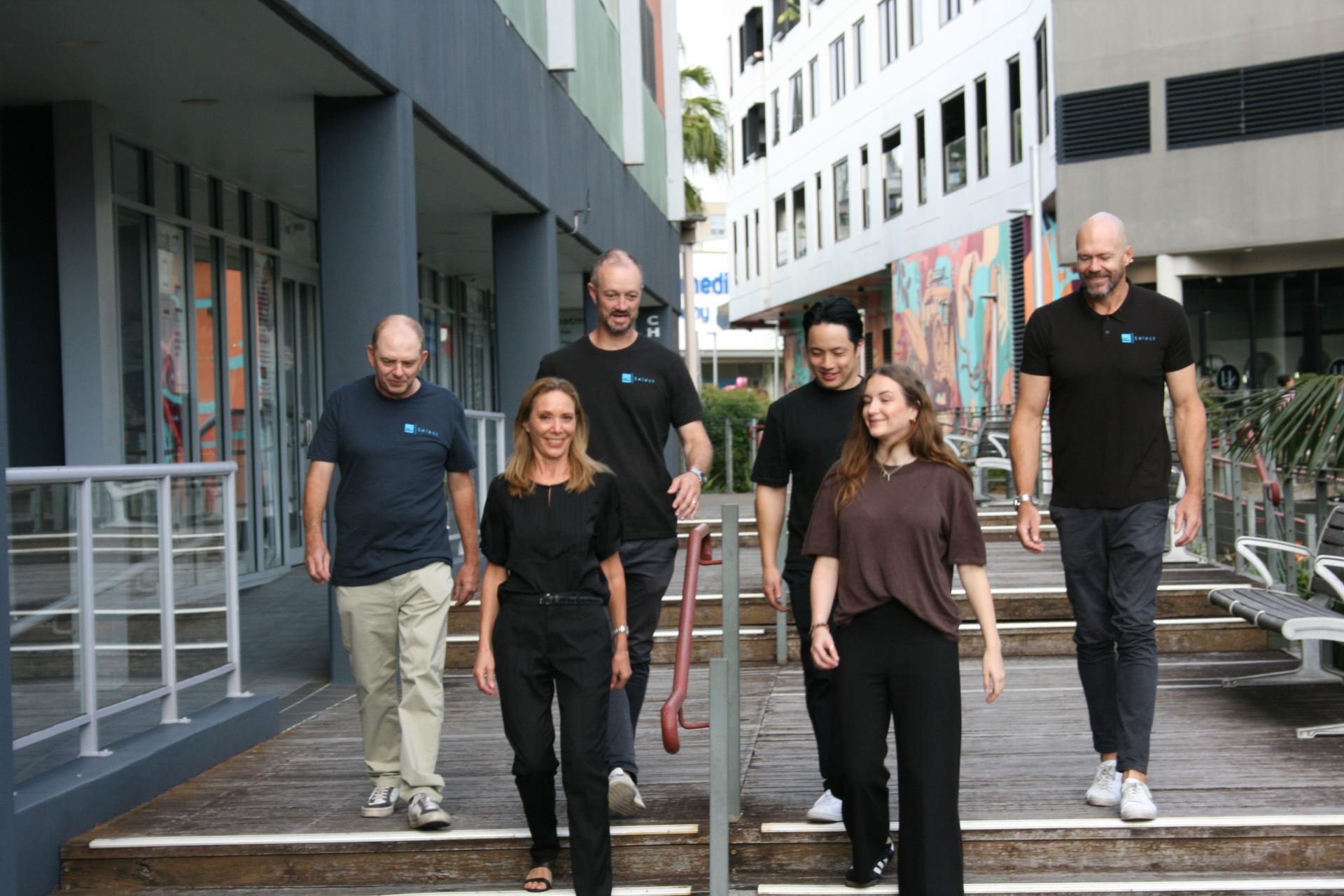
Our team works with SMSF trustees across the Northern Beaches on commercial property finance, comparing across 60+ lenders to find the most suitable structure. The SMSF lending side of it is where the lender-panel access does the most work, because the specialist lenders who write this business have very different appetites.
Key takeaways
- SMSF residential borrowing banned from 10 August 2026; commercial is unaffected.
- Commercial LVRs typically 60–70%; deposits higher than residential.
- The sole purpose test prohibits any member or related party using the property.
What changed in August 2026 and what didn't?
From 10 August 2026, an SMSF can no longer enter a new Limited Recourse Borrowing Arrangement to acquire residential property. That's law, not a proposal, and it applies to new arrangements from that date. Existing residential LRBAs are fully grandfathered, and refinancing one to a different lender is still permitted.
Commercial property LRBAs are unaffected entirely. A trustee who wants to buy a warehouse in Brookvale, a retail premises in Mona Vale, or an office in Frenchs Forest through their SMSF can still do so using a Limited Recourse Borrowing Arrangement, with the same structure and the same lender options that existed before August. This is the part of the story that tends to get lost in the coverage of what closed.
We see a lot of business owners come to us after reading that SMSF lending is closing down. It isn't, for commercial property. The confusion is understandable, but walking away from a genuinely useful structure because of a misread headline is a real cost.
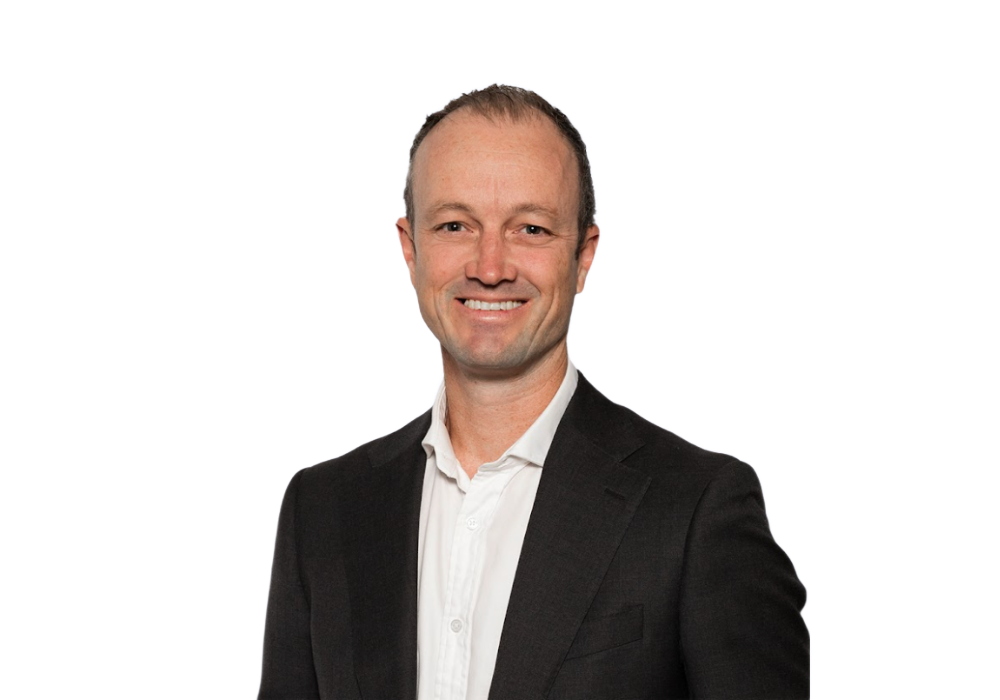
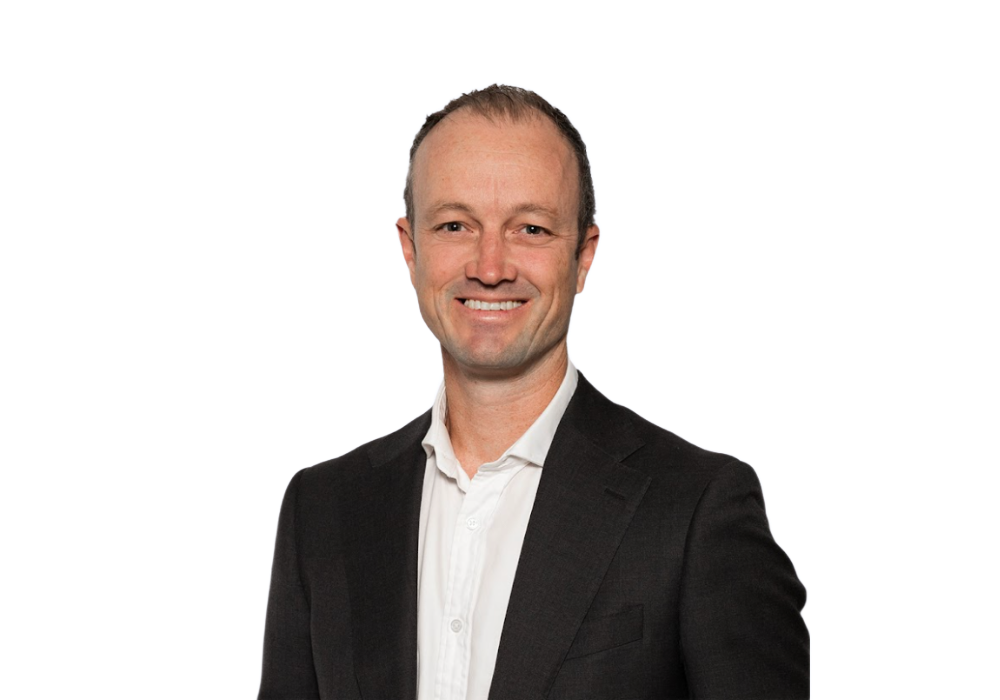
Damian Wallace · Director and Principal Broker, Mortgage Brokers Northern Beaches · Chat to Damian →
How does SMSF commercial lending actually work?
The structure is a Limited Recourse Borrowing Arrangement under the Superannuation Industry (Supervision) Act 1993. The fund borrows to acquire the property, which is held in a bare trust during the loan term and transfers to the fund on full repayment. "Limited recourse" means that if the fund defaults, the lender's recovery is limited to the security property, and cannot extend to the fund's other assets.
Assessment differs from a standard commercial loan in one important way: the lender looks at both the property's income and the fund's own position. Rental income from the commercial property is a key serviceability input, but lenders also consider the fund's contribution stream, member ages, and how the loan repays over the fund's investment horizon. A fund with strong contributions and a long runway to retirement sits very differently to one approaching pension phase.
The sole purpose test is the structural constraint that shapes every SMSF property decision. The property must be acquired and maintained for the sole purpose of providing retirement benefits to fund members. A business owner can lease their own commercial premises from their SMSF at market rent, which is one of the most common and legitimate uses of this structure. What they cannot do is allow any member, relative, or related party to occupy the property in any other arrangement, even informally, ever.
What does an SMSF commercial loan require to qualify?
Lenders in this space are specialist and second-tier, not the major banks, which exited SMSF lending in 2018 and 2019. Their assessment criteria share a common shape, even though the specific numbers differ between them.
What lenders typically require:
- › Minimum fund balance: most lenders want to see $200,000 to $300,000 in the fund before lending against a commercial property.
- › Post-settlement liquidity: the fund must retain around 10% of the loan amount in liquid assets after settlement, so the fund is not fully committed to one illiquid asset.
- › Rental income assessment: commercial rent is typically counted at 70% to 80% of the gross figure, with holding costs treated separately.
- › Trust deed and bare trust structure: the SMSF trust deed must expressly permit borrowing, and the bare trust documentation must be correctly established before or at settlement.
- › Lease quality: a long-term lease with a creditworthy tenant strengthens the application considerably; a vacant property or a short remaining lease introduces valuation and serviceability risk.
- › Member ages and fund horizon: the loan term is assessed against member ages at drawdown and the fund's retirement timeline. A loan term that runs past the point where the fund would move to pension phase is harder to place.
| Get in touch Need help with SMSF lending for commercial property? We're a local team who understand how lenders actually assess your situation, not just your rate. We'll compare your options across 60+ lenders to find the right fit.
|
What does it cost to buy commercial property through an SMSF on the Northern Beaches?
The deposit requirement is the most significant difference from residential lending. Commercial LRBAs typically sit at 60% to 70% LVR, which means the fund needs a deposit of 30% to 40% of the purchase price, plus costs. On a commercial property in the Frenchs Forest health precinct or the Brookvale commercial and industrial precinct, that's a meaningful sum from the fund's existing balance before it can settle the purchase.
Rates on SMSF commercial loans are priced above standard investment loans, typically by roughly 1% to 2%, reflecting the additional complexity of the structure and the narrower lender panel. Loan terms are also shorter than residential arrangements, with annual covenant reviews common once the loan is in place.
The options worth weighing:
- › Owner-occupier (business leasing from the fund): 60–70% LVR · market rent paid to the fund · sole purpose test applies · strongest serviceability profile
- › Commercial investment (third-party tenant): 60–70% LVR · lease quality and WALE assessed · tenant creditworthiness matters · more lender appetite for longer leases
- › Cash purchase inside the fund (no borrowing): no LVR constraint · no lender involvement · sole purpose test still applies · fund balance must be sufficient
When does SMSF commercial property not make sense?
The structure suits business owners who have a well-capitalised fund, a long investment horizon, and a property that the business can genuinely lease at arm's length. Where any of those three conditions is weak, the structure becomes difficult and sometimes counterproductive.
A fund that is fully committed to one illiquid commercial property has very little flexibility if the business changes, the tenancy ends, or a member needs to access benefits early. Commercial property is also harder to value and slower to sell than residential, so a fund holding it as its primary asset is concentrated in a way that most SMSF advisers would question. If the deposit requirement would strip the fund's liquidity buffer to near zero, that is usually a sign the fund is not yet ready for this commitment, and attempting it anyway creates ongoing compliance risk around the post-settlement liquidity requirement.
What approval challenges do SMSF commercial borrowers face?
Where applications run into difficulty:
- › Bare trust documentation errors: the bare trust must be correctly established before settlement, and errors here can void the LRBA structure. Lenders see defective bare trust deeds regularly and they delay or sink settlements.
- › Trust deed restrictions: many older SMSF trust deeds predate the current borrowing provisions and do not expressly permit LRBAs. The fund's solicitor must confirm, and sometimes update, the deed before any lender will assess the application.
- › Valuation conservatism: commercial property valuations in lower-volume suburban markets, including parts of the Northern Beaches outside the Brookvale precinct, can come in below the contract price where comparable sales are thin. The fund covers any shortfall in cash.
- › Narrow lender panel: the specialist lenders who write SMSF commercial loans are a much smaller group than residential or even standard commercial lenders. An application placed with the wrong lender at the outset can produce a decline that sits on the fund's record, and some lenders simply do not write SMSF commercial deals at all.
- › Related-party lease scrutiny: where the business leasing the property is a related entity of the fund, lenders and the ATO both look closely at the lease terms. A below-market rent or an informal arrangement is a sole-purpose-test breach, and lenders price that risk into their assessment.
Where I'd usually start with an SMSF commercial inquiry is the trust deed, not the property. The application can look strong on paper and collapse at the lender because the deed doesn't permit borrowing, or because the bare trust setup has a defect. Getting the structure right first means the lender conversation is straightforward rather than remedial.
Damian Wallace · Director and Principal Broker, Mortgage Brokers Northern Beaches · Chat to Damian →
How to borrow for commercial property through an SMSF on the Northern Beaches, step by step
Step 1: Talk to us
We start by reviewing the fund's balance, the trust deed, member ages and the property type to establish whether the structure is viable and which lenders are worth approaching for it.
Step 2: Confirm the fund's structure and documentation
Your SMSF solicitor confirms the trust deed permits borrowing and establishes the bare trust. We work alongside them so the lending timeline and the legal timeline align.
Step 3: Match to the right lender and submit
We identify the specialist lenders on our panel whose criteria fit the fund's profile and the property type, then prepare and submit the application with the full SMSF documentation package.
Step 4: Manage approval through to settlement
We manage lender queries, coordinate with the bare trustee, and keep the settlement on track, including any valuation issues that arise on the commercial property.
Frequently Asked Questions
Can an SMSF still borrow to buy commercial property after the August 2026 changes?
Yes. The ban that commenced on 10 August 2026 applies only to new LRBAs for residential property. Commercial property LRBAs are fully unaffected, and new commercial deals can still proceed through specialist lenders. Source: ATO.
Can my business rent commercial property that my SMSF owns?
Yes, provided the rent is at market rate and the arrangement is formalised with a proper lease. A related party can lease business real property from an SMSF, which is one of the most common uses of this structure. The sole purpose test applies throughout.
What LVR can an SMSF get on a commercial property loan?
Typically 60% to 70% LVR, meaning a deposit of 30% to 40% plus costs from the fund. The exact LVR depends on the lender, the property type, and the lease quality at the time of application.
Is a commercial SMSF loan more expensive than a standard commercial loan?
Yes, generally by roughly 1% to 2% above a comparable standard commercial rate, reflecting the additional structure and the narrower specialist-lender panel. Rates are not quoted as products here; the gap is the relevant point for budgeting.
What happens to an existing SMSF residential loan after 10 August 2026?
Existing residential LRBAs are fully grandfathered. There is no forced sale, no LVR reset, and no compliance issue. Refinancing an existing residential LRBA to a different lender is also still permitted. Source: ATO.
Should I use an SMSF or a personal loan to buy commercial premises?
A mortgage broker, every time, can help you work through both paths with a lender who writes both. SMSF commercial lending suits funds with strong balances and a long horizon; personal or company lending suits buyers who need more flexibility or whose fund isn't yet capitalised for this commitment. Your accountant and SMSF adviser should be part of that conversation.
Your Next Steps
SMSF commercial property lending is one of the more specialised loan categories a broker works with, and the fund structure, the trust documentation, and the lender match all have to be right before an application moves forward. Getting the lender wrong at the outset, or starting with a defective bare trust, are the two most common reasons an otherwise viable deal stalls or fails.
The right lender for SMSF commercial lending depends on your situation, and that's a conversation worth having. Talk to the Mortgage Brokers Northern Beaches team or call 0403 316 686, and we'll compare your options across 60+ lenders. Your accountant and SMSF adviser should be part of the conversation too, and we're happy to work alongside them.
|

External Resources
Mortgage Brokers Northern Beaches, Dee Why and the Northern Beaches. This is general information only - this article does not constitute financial advice. Please consider your own circumstances and seek professional advice before making any financial decisions.