Vacant Land Loans on the Northern Beaches: What Lenders Actually Check

Buying a vacant block on the Northern Beaches is a different lending proposition to buying an established home, and most buyers find that out partway through the process rather than at the start. Lenders treat land without a dwelling as a higher-risk security, which changes the deposit you need, the LVR available, and which lenders will look at your application at all.
The good news is that land purchases here are genuinely achievable with the right structure. Whether you're planning to build immediately, holding the block for a year or two, or buying land and house together as a package, the lending pathway differs in each case, and so does the lender that suits it best.
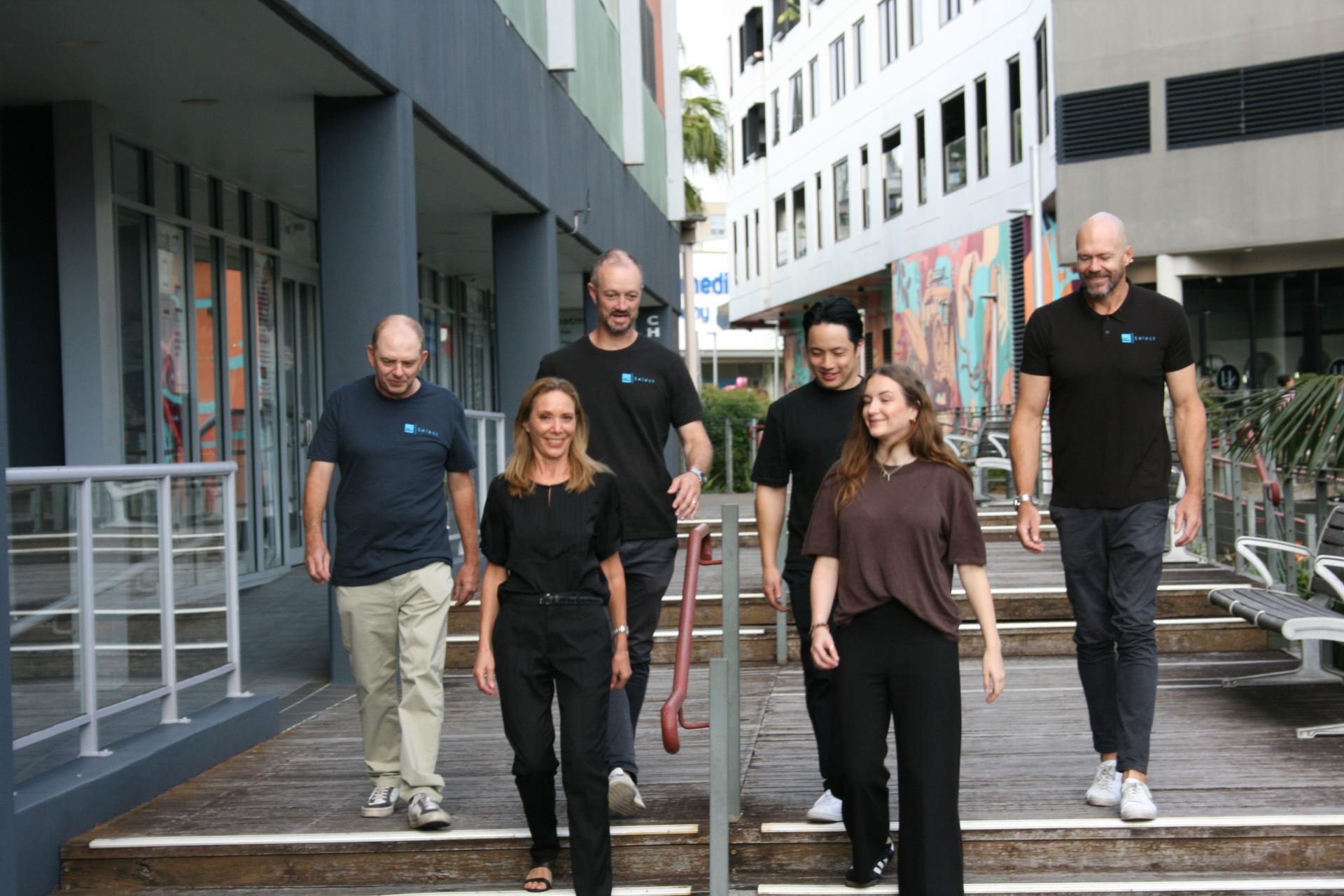
Our team works with buyers across the Northern Beaches on exactly this kind of purchase, comparing across 60+ lenders to match the right construction loan structure to your situation.
Key takeaways
- Vacant land loans typically require a larger deposit than standard home loans.
- House-and-land packages can be financed as a single construction loan.
- The First Home Owner Grant applies to new builds, including knockdown rebuilds.
Can you get a home loan to buy vacant land on the Northern Beaches?
Yes, lenders will finance vacant land on the Northern Beaches, but the terms are noticeably different from a standard residential mortgage. Without a dwelling on the title, the lender has less to recover if things go wrong, so most require a larger deposit and lend at a lower LVR than they would for an established property.
How do lenders assess a vacant land purchase?
Lenders treat land without a dwelling as a specialised security. The core questions are whether the block is residential-zoned, whether services are connected, whether it has legal road access, and what the surrounding sales evidence looks like. A well-serviced residential block in an established area like Warriewood or Mona Vale is assessed very differently from a rural-residential holding on the bush fringe.
Zoning drives more of the outcome than buyers expect. A block zoned RU1 or RU2 (rural) is treated like a commercial asset by most mainstream lenders, with materially lower LVRs and more restricted panel access. Residential-zoned land with power, water and sewer connected to the boundary is the strongest profile.
Size matters too. Most mainstream lenders are comfortable with standard suburban block sizes. As the lot size increases, the LVR the lender will extend tends to decrease, and LMI becomes difficult or unavailable above around 25 hectares. For the Northern Beaches, where almost all vacant residential land sits within the established suburb footprint, standard suburban conditions usually apply.
We see buyers surprised by how quickly a straightforward land purchase becomes complicated at the valuation stage. A lender might be fine with the zoning and the size, and then the valuation comes in short because there are very few comparable land sales in that pocket. Having the right lender in the room before you sign anything makes a real difference.
Damian Wallace · Director and Principal Broker, Mortgage Brokers Northern Beaches · Chat to Damian →
What deposit do you need for vacant land on the Northern Beaches?
Most mainstream lenders require a minimum 20% deposit on a vacant land purchase, which means no LMI is available and no low-deposit scheme applies to a land-only loan. Some lenders will lend to 80% LVR against residential land; a smaller number will go to 85% in strong locations with good comparable sales, but these are specialist or second-tier lenders rather than the major banks.
How the three main purchase structures compare:
- › Vacant land only: 20% deposit typical · no LMI available · repayments begin immediately on the full land loan · separate construction finance arranged later
- › House-and-land package: treated as a construction loan · 10% to 20% deposit typical · progress drawdowns during the build · interest only on amounts drawn
- › Knockdown rebuild: land secured first · construction loan follows for the build · may qualify for the First Home Owner Grant if it's your first home
Which structure is right for you depends on whether you have a fixed-price building contract in place, when settlement on the land occurs relative to your build timeline, and how your lender counts the land value in the combined security. That's a conversation worth having before you exchange contracts.
| Get in touch Need help with a vacant land loan? We're a local team who understand how lenders actually assess your situation, not just your rate. We'll compare your options across 60+ lenders to find the right fit.
|
What government schemes can you use when buying land to build on the Northern Beaches?
Government schemes designed for first home buyers generally don't apply to a vacant land purchase on its own. The eligibility rules are built around buying or building a home, not holding land. Once construction is underway or complete, several become accessible.
Schemes worth knowing about:
- › First Home Owner Grant (NSW):$10,000 for new homes, including a first build on vacant land. The completed property must not exceed $750,000 in value.
- › First Home Guarantee (5% Deposit Scheme): applies to house-and-land packages treated as a construction loan. The Northern Beaches cap is $1,500,000. No income test since October 2025.
- › Transfer duty concession (NSW): vacant land to build your first home qualifies for a full exemption up to $350,000 and a concession up to $450,000. Northern Beaches land values sit well above both thresholds, so most buyers here pay full duty on the land.
- › Negative gearing (investors): from 1 July 2027, negative gearing on established residential property purchased after Budget night 12 May 2026 is restricted. New builds - including a first build on vacant land - remain fully eligible for negative gearing under the exemption.
Source: Revenue NSW and Housing Australia, verified September 2026.
How does a construction loan work after you've bought the land?
Once you hold the land, a construction loan finances the build in stages rather than as a single lump sum. The lender releases funds progressively as each building stage is completed and inspected - typically slab, frame, lock-up, fit-out and practical completion. During the build, you're paying interest only on what's been drawn, not the full approved amount.
The lender values the completed property "as if complete" before approving the loan, not at today's land value alone. That means the strength of your fixed-price building contract and your builder's licence matter to the assessment. A front-loaded payment schedule - where the builder wants a large proportion of funds early in the build - is often rejected or renegotiated by lenders, so it's worth reviewing the schedule before you sign.
At practical completion the loan typically rolls from interest-only to principal and interest over the remaining term. Buyers who purchase the land separately often carry two loan facilities during the build: the land loan from settlement, and the construction loan once building begins. Some lenders will consolidate these; others keep them separate. Whether consolidation saves money depends on the rates and fees on each facility, and that comparison is worth running before you commit.
Where I usually suggest waiting is when a buyer wants to hold the land for two or three years before building. Carrying a land loan at a higher LVR for that long, with repayments and no rental income, is a real cost. In those cases we often look at whether it makes more sense to buy land and begin construction closer together, or whether the buyer's equity position makes the holding period manageable.
Damian Wallace · Director and Principal Broker, Mortgage Brokers Northern Beaches · Chat to Damian →
When does buying vacant land not make sense?
Buying land to build is the right path for some buyers and the wrong one for others. If your timeline is genuinely open-ended - you're not sure when you'll build or what you'll build - holding land on a mortgage is an expensive way to wait. The loan repayments run from day one, there's no rental income to offset them, and the clock on your build approval starts ticking from council consent.
It also isn't the right structure if you need government schemes to make the deposit work. A land-only purchase doesn't unlock the First Home Guarantee or the FHOG. If those schemes are part of your plan, a house-and-land package or a knockdown rebuild, structured as a single construction loan, is the pathway that makes them accessible.
Buyers who are planning to build a granny flat and rely on that income to service the loan should also know that a granny flat does not qualify as the new-build exemption under the negative gearing changes from 1 July 2027. It's a renovation of an existing holding, not an additional dwelling on vacant land. That distinction is one to work through with your accountant before you model the investment.
What goes wrong when people buy vacant land on the Northern Beaches?
The most common missteps to work around:
- › Underestimating the deposit requirement: buyers used to seeing 5% or 10% deposit home loans are caught short when a land lender requires 20%. Running the deposit calculation before you make an offer avoids that surprise.
- › Signing a builder contract before finance is approved: a fixed-price contract with a builder is a lender requirement, but signing it before you have construction finance confirmed puts you in a difficult position if the approval comes back at a lower amount than expected.
- › Choosing the wrong lender for the land phase: some lenders won't finance vacant land at all, and others will but at terms that make the construction loan harder to arrange later. Working with a lender who can handle both facilities - or knowing upfront that you'll refinance - saves time and fees.
- › Missing the bushfire and flood considerations: western fringe suburbs like Terrey Hills, Duffys Forest and Oxford Falls can sit on Bush Fire Prone Land. Lending on these blocks isn't impossible, but valuations can be more conservative. The NSW Rural Fire Service mapping and the Northern Beaches Council's bushfire-prone land map are the tools to check before you proceed.
Frequently Asked Questions
Can you use a 5% deposit to buy vacant land on the Northern Beaches?
Not on a land-only purchase. The First Home Guarantee requires a dwelling to be bought or built, so a 5% deposit applies to a house-and-land package structured as a construction loan, not to land alone.
Does the First Home Owner Grant apply to building on vacant land in NSW?
Yes, provided the completed home is new and its value doesn't exceed $750,000. A first build on vacant land qualifies; an investment build does not. Source: Revenue NSW.
What is the typical LVR on a vacant land loan?
Most mainstream lenders lend to 80% LVR on residential-zoned land with services connected. Some specialist lenders extend to 85% in well-supported locations, but these are not on every broker's panel.
Can I get a construction loan if I already own the land outright?
Yes. The land is used as security for the construction loan, and its value is included in the combined LVR calculation. Owning land outright often means you need a smaller deposit for the build phase.
Is a house-and-land package better than buying land and then building separately?
A package is simpler - one contract, one loan, one settlement - and it's more likely to qualify for the First Home Guarantee and the FHOG. Buying land separately gives you more control over the builder and timeline, but it means carrying the land loan before the build begins.
Should I use a mortgage broker or go direct to a lender for a vacant land loan?
A mortgage broker, every time. Not every lender finances vacant land, and the terms vary significantly between those that do. A broker identifies which lenders suit your block's zoning, size and location before you apply - avoiding declines that sit on your credit file.
Your Next Steps
Vacant land finance on the Northern Beaches rewards buyers who understand the structure before they sign anything. The deposit requirement is higher than most buyers expect, the lender panel is narrower, and the construction phase adds another layer of decisions - from progress payments to government scheme eligibility.
The right lender for a land purchase depends on your situation, and that's a conversation worth having. Talk to the Mortgage Brokers Northern Beaches team or call 0403 316 686, and we'll compare your options across 60+ lenders.
|

External Resources
Mortgage Brokers Northern Beaches, Dee Why and the Northern Beaches. This is general information only - this article does not constitute financial advice. Please consider your own circumstances and seek professional advice before making any financial decisions.