Upsizing From a Unit to a House on the Northern Beaches: Your Options Explained

You've outgrown the unit. Maybe the kids have arrived, the home office has taken over the dining table, or you simply want a backyard. Whatever the reason, making the move from a unit to a house on the Northern Beaches is one of the most common and most financially rewarding upgrades a homeowner can make here, and the equity you've built in that unit is often far more useful than people expect.
The challenge isn't usually the desire to upsize. It's working out whether to sell first or buy first, how much of your existing equity you can put to work, and which lenders will give you the most room to move. On the Northern Beaches, where house medians sit well above unit medians in almost every suburb, timing and structure matter as much as the rate.
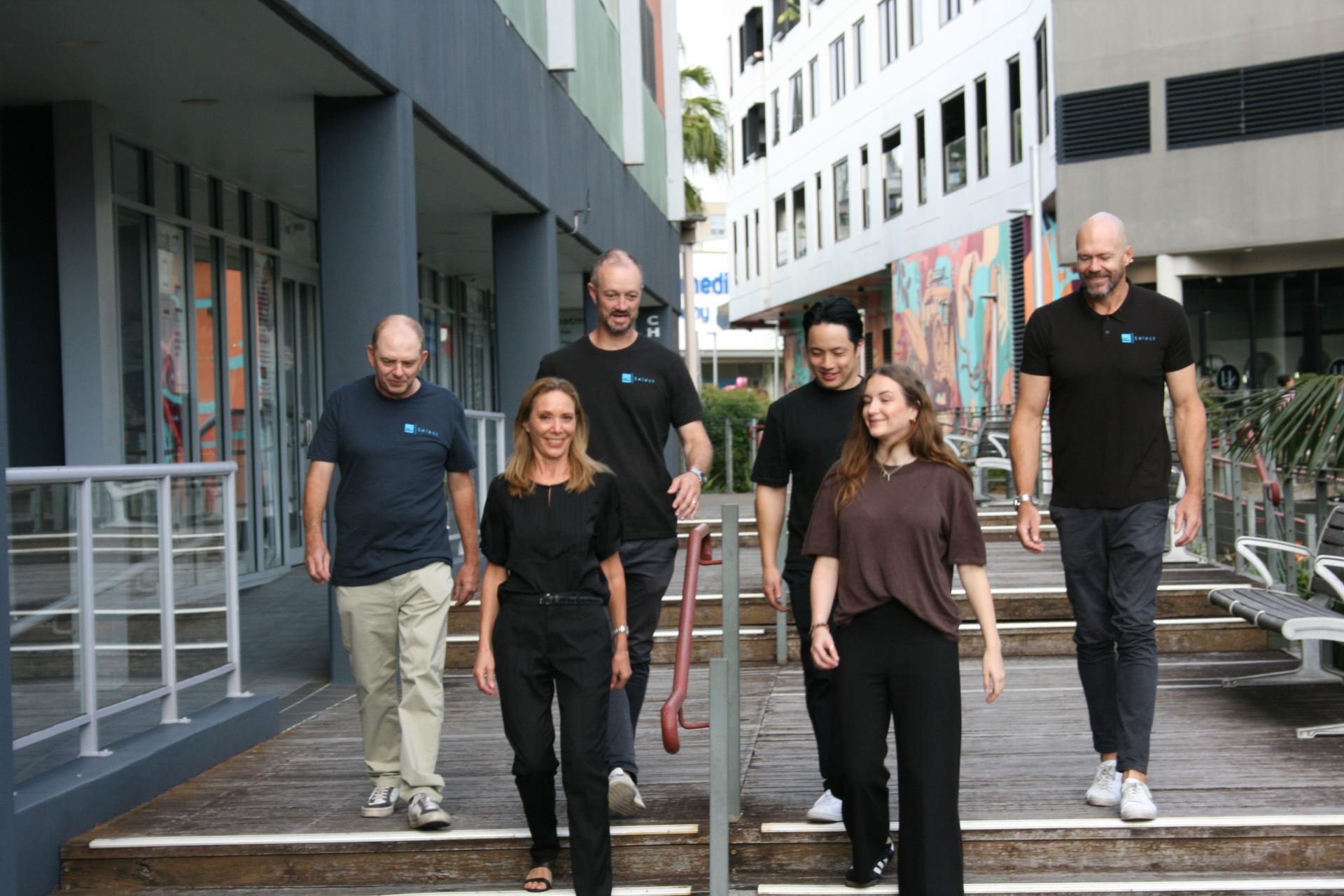
Our team helps upsizers across the Northern Beaches work through exactly this sequence, comparing across 60+ lenders to find the right structure for each situation. The upsizing home loan side of it is where most of the difference is made.
Key takeaways
- Unit equity can fund a house deposit without selling first.
- Bridging loans let you buy the house before your unit settles.
- Northern Beaches house medians start around $2.1m, so deposit planning matters.
Can you upsize from a unit to a house on the Northern Beaches without selling first?
Yes, and it's more common than people think. If your unit has enough equity, some lenders will let you use it as security to fund the house purchase before your unit sells. The two main paths are a bridging loan, which carries both debts simultaneously for up to twelve months, or releasing equity from the unit and using the proceeds as a deposit while keeping the unit as an investment.
Most upsizers we work with assume they have to sell the unit before they can move. What they don't realise is that the equity sitting in that unit is often enough to secure the house without touching the sale proceeds at all. The structure you choose at this point determines your tax position for years, so it's worth getting right before you sign anything.
Damian Wallace · Director and Principal Broker, Mortgage Brokers Northern Beaches · Chat to Damian →
How do lenders assess an upsize from a unit to a house?
Lenders look at your current unit's value, the outstanding mortgage balance, and what equity remains. If you have at least 20% equity in the unit, most lenders will allow you to access up to 80% of its value, with the remainder sitting as your usable equity position. That figure becomes your working deposit for the house purchase.
Serviceability is assessed on the end position, not on the combined peak debt during any bridging period. That means lenders model what your repayments will look like once the unit is sold and only the house loan remains. Income, existing commitments and the APRA serviceability buffer of 3.0% above the actual rate all feed into that calculation.
Where you're keeping the unit as an investment rather than selling, lenders will shade rental income at around 80% of the gross and add the unit's holding costs as ongoing commitments. That reduces how much house you can borrow against, which is why the keep-versus-sell decision is a financial one as much as a lifestyle one.
Source: APRA.
What does it cost to upsize from a unit to a house on the Northern Beaches?
CoreLogic data shows Northern Beaches house medians starting at around $2.1 million in North Narrabeen and running past $3 million through the mid-peninsula suburbs. Dee Why sits at approximately $2.8 million for houses, while Manly Vale comes in around $2.96 million. That gap between a unit median and a house median in the same suburb is often $1.5 million or more, so the deposit required is substantial.
Typical costs to plan for:
- › Deposit: typically 20% of the house purchase price to avoid LMI, or less if you're using a bridging structure or have enough equity.
- › Transfer duty (NSW): on a $2.5 million house purchase, full transfer duty applies at standard rates. No first-home concession is available on a second purchase.
- › Bridging loan interest: typically capitalised during the bridging period rather than paid monthly, so no extra cash outflow while you hold both properties.
- › Legal and conveyancing: two transactions if you're buying and selling simultaneously.
- › Agent and mortgage discharge fees: on the unit sale, plus any exit fees on the existing loan.
Source: CoreLogic (via YIP, mid-2026) and Revenue NSW.
Source: CoreLogic (via YIP, mid-2026) and Revenue NSW.
| Get in touch Need help upsizing from a unit to a house? We're a local team who understand how lenders actually assess your situation, not just your rate. We'll compare your options across 60+ lenders to find the right fit.
|
How do you use equity in a unit to buy a house?
Equity is the difference between your unit's current market value and what you owe on it. If your unit is worth $1.1 million and you owe $400,000, your total equity is $700,000. Most lenders will advance up to 80% of the unit's value, so your usable equity is up to $880,000 minus the $400,000 owing, leaving $480,000 to work with.
That $480,000 can be used as a deposit on the house purchase through an equity release or refinance of the unit loan. You're not cashing out the unit itself; you're increasing the loan secured against it and using those funds as a deposit for the new property. The unit loan and the house loan then sit separately until you decide whether to sell.
The options worth weighing:
- › Sell first, then buy: cleanest position · no bridging risk · may need temporary housing · full proceeds available as deposit
- › Bridging loan, buy then sell: move once · interest capitalised · assessed on end debt · typically up to 12 months
- › Keep the unit as investment: retain an asset · rental income shaded to 80% · two loans ongoing · tax implications differ
When does keeping the unit instead of selling not make sense?
Keeping the unit sounds appealing on paper. Two properties, rental income, long-term growth. But the numbers don't always stack up the way people expect, and this is worth thinking through clearly before you commit.
If keeping the unit means you can only borrow enough for a smaller or worse-located house than you actually want, you've constrained your upsize to preserve an asset. The unit's holding costs, land tax threshold, strata levies and the ongoing loan repayment can absorb a significant portion of whatever rent it generates, particularly in a market where Northern Beaches unit yields are modest relative to values.
There's also the capital gains tax position to consider. A unit that was your principal place of residence is generally CGT-exempt while you lived there, but the exemption changes the moment you move out and start renting it. From 1 July 2027, the current 50% CGT discount for individuals will be replaced by cost-base indexation plus a 30% minimum tax on the real gain for assets purchased after Budget night 2026. For existing units already held, the grandfathering rules apply, but the picture for anyone buying a unit now with a view to keeping it long-term is different. This is squarely a conversation for your accountant, not a decision to make based on an article.
Where someone is leaning toward keeping the unit, I'd usually suggest running both scenarios properly before the purchase goes unconditional. The gap between 'feels like a good idea' and 'actually works on the numbers' can be significant here, especially when you factor in what the unit's holding costs really look like month to month once the new house loan is also in play.
Damian Wallace · Director and Principal Broker, Mortgage Brokers Northern Beaches · Chat to Damian →
How to upsize from a unit to a house on the Northern Beaches, step by step
The sequence matters here. Getting the structure wrong at the start can mean two months of scrambling before settlement. Here's how the process typically runs for a Northern Beaches upsizer.
Step 1: Talk to us
We start by reviewing your unit's current equity position, your income and serviceability, and whether a bridging structure, a simultaneous settlement or a sell-first approach suits your situation best.
Step 2: Value the unit and confirm usable equity
We order a valuation or bank-desk estimate of the unit's current market value, then calculate the usable equity available and how much that leaves you to work with as a deposit on the house.
Step 3: Match the right lender and structure
Not every lender offers bridging finance, and among those that do, the maximum LVR on the combined peak debt, the interest capitalisation terms and the bridging period length all vary. We match your position to the lenders whose policies suit it, then prepare and submit the application.
Step 4: Manage both settlements through to handover
We coordinate with your solicitor and the lender to align the unit sale and house purchase settlements, manage the bridging period if one is in place, and confirm the end-debt loan structure once the unit sells.
Whether you're buying in Dee Why- Manly Vale or Frenchs Forest across the Northern Beaches, the lender you use and the structure you choose at this stage determines how straightforward the whole process is.
What goes wrong when people upsize without the right structure?
Where upsizers lose ground:
- › Underestimating peak debt: the combined balance during a bridging period, with capitalised interest added, can be higher than expected. Lenders assess the end debt, but you still need to be comfortable with the peak balance while you hold both properties.
- › Unit taking longer to sell: a 12-month bridging period sounds long, but in a slower market an unsold unit at month ten creates pressure. Lenders may require the unit to be actively listed before they approve the bridge.
- › Low valuation on the unit: if the lender's valuation comes in below the market estimate, the usable equity figure drops with it, and the deposit available for the house shrinks accordingly.
- › Applying to the wrong lender first: a decline on a bridging application sits on your credit file. Matching the application to a lender whose bridging policy actually suits your LVR and income position before you apply avoids that outcome.
Frequently Asked Questions
Can I use my unit as security when buying a house on the Northern Beaches?
Yes, most lenders will accept your unit as additional security if it has sufficient equity. The usable amount is typically the difference between 80% of the unit's value and your current mortgage balance.
How long does a bridging loan last on the Northern Beaches?
Bridging loans typically run for six to twelve months. Most lenders require the outgoing property to be actively listed for sale before they will approve a twelve-month term.
Do I pay stamp duty when upsizing to a house on the Northern Beaches?
Yes, full transfer duty applies to the house purchase at standard NSW rates. No first-home exemption is available, and there is no duty concession specifically for upsizers.
Is a bridging loan or sell-first approach better for upsizing?
Sell-first removes bridging risk and gives you a clean cash position, but usually means a period in temporary housing. A bridging loan lets you move once, but the combined peak debt and a firm sale timeline are both important to manage carefully.
What if my unit valuation comes in lower than expected?
A lower valuation reduces your usable equity and the deposit available for the house purchase. You'd need to either negotiate the house price, increase your cash contribution, or wait until the unit's market value recovers.
Should I use a mortgage broker or go directly to my bank when upsizing?
A mortgage broker, every time. Not every lender offers bridging finance, and among those that do, the terms vary significantly. A broker with panel access can match your specific equity and income position to the lender whose bridging policy actually works for your situation.
Your Next Steps
Upsizing from a unit to a house on the Northern Beaches is one of the more complex transactions a homeowner will navigate, and the equity you've built deserves to be used as effectively as possible. The structure you choose now, whether that's a bridging loan, a simultaneous settlement or selling first, shapes your tax position, your cash flow and how cleanly the whole move goes.
The right lender for your upsize depends on your equity position, your income and your timeline, and that's a conversation worth having before you start making offers. Contact the Mortgage Brokers Northern Beaches team or call 0403 316 686. We'll compare your options across 60+ lenders and find the most suitable structure for your circumstances.
|

External Resources
Mortgage Brokers Northern Beaches, Dee Why and the Northern Beaches. This is general information only - this article does not constitute financial advice. Please consider your own circumstances and seek professional advice before making any financial decisions.